



 Home
Home
What a Mature Commercial & Industrial Energy Storage System Solution Includes — A Complete Guide for Southeast Asia EPC Projects
The Southeast Asia energy landscape — particularly in the Philippines, Indonesia, and Malaysia — is undergoing a major transition. Businesses, industrial parks, and microgrid developers are increasingly seeking commercial and industrial energy storage systems (ESS) to stabilize power supply, optimize renewable energy usage, reduce operational costs, and improve sustainability.
A mature energy storage system (ESS) is far more than a lithium battery and an inverter. It is a fully engineered solution combining hardware, software, integration, safety, and lifecycle support. For EPC contractors, integrators, and developers, understanding what a complete ESS solution includes is essential for project success.
This article provides a comprehensive guide to the components, deployment, and operational considerations of BESS solutions, with a focus on Southeast Asia EPC projects.
1. Why a Mature ESS Is More Than Just Hardware
Many projects fail because stakeholders treat ESS as “just a battery.” In reality, a robust commercial and industrial ESS must:
- Store energy efficiently
- Dispatch power intelligently according to load and generation
- Integrate with solar PV, diesel generators, and the grid
- Communicate with monitoring systems and utilities
- Operate safely 24/7 with automated control
Without these elements, the system will not meet business and technical objectives, especially in microgrid and C&I projects where grid stability is critical.
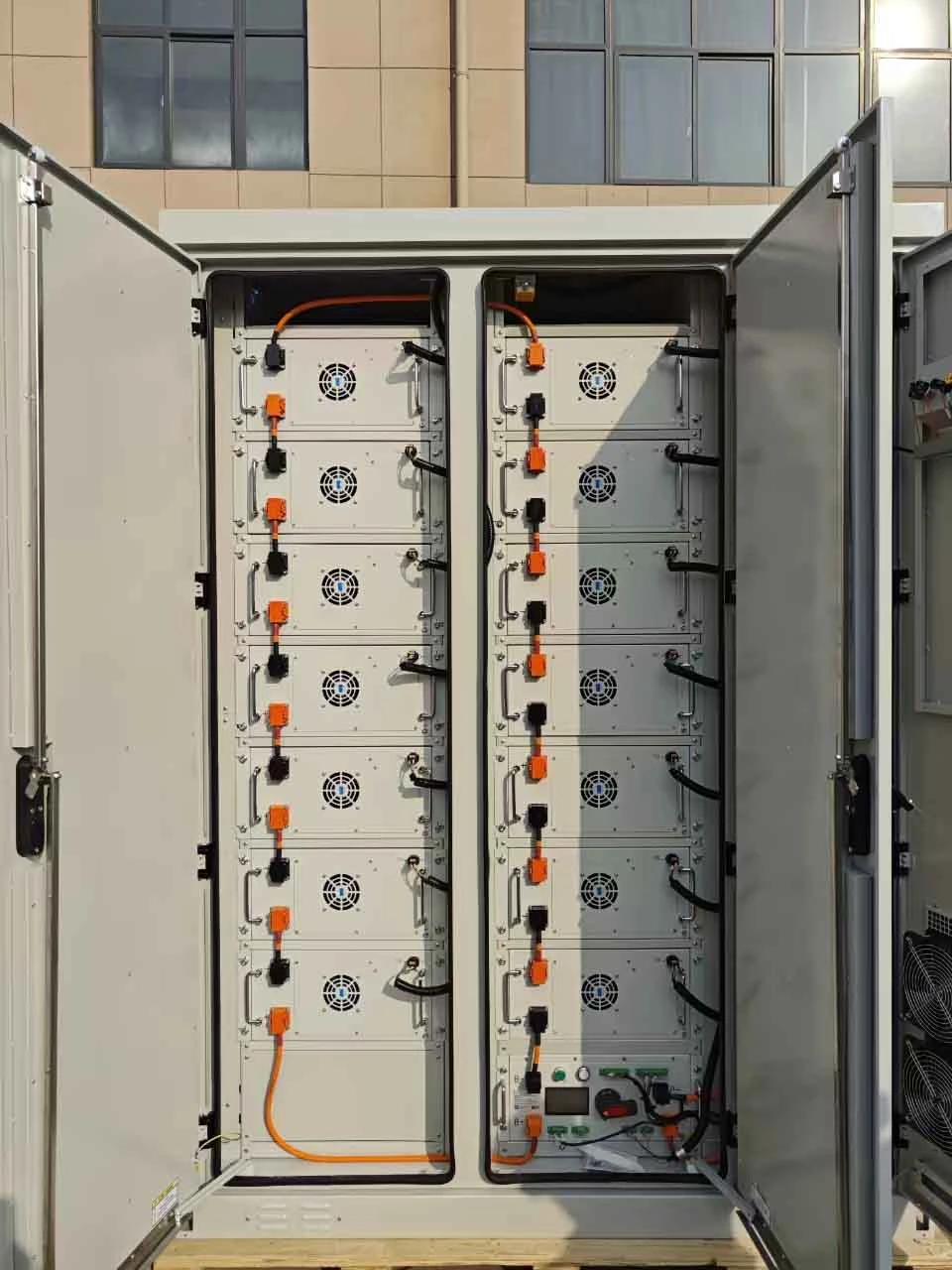
2. Core Elements of a Complete ESS Solution
A fully matured ESS solution includes the following key layers:
- System Engineering & Sizing
- Lithium Battery Modules / Systems
- PCS (Power Conversion System / Inverter)
- EMS (Energy Management System) & Software
- System Integration & Containerized Cabinets
- Thermal Management & Environmental Adaptation
- Safety, Protection & Fire Suppression Systems
- Cloud Monitoring & SCADA
- Onsite Commissioning & Technical Support
- Operations & Maintenance Services
We break down each layer in the following sections.
3. Engineering & System Design
The first step of any successful EPC energy storage project is engineering and sizing.
Key activities include:
- Load profile analysis and demand assessment
- Grid connection or islanded operation requirements
- PV, diesel, and hybrid integration modeling
- Capacity sizing (kW and kWh requirements)
- Dispatch strategy for peak shaving and TOU optimization
- Lifecycle cost and ROI analysis
Proper design ensures the system operates reliably, prevents underutilization, and maximizes financial returns.
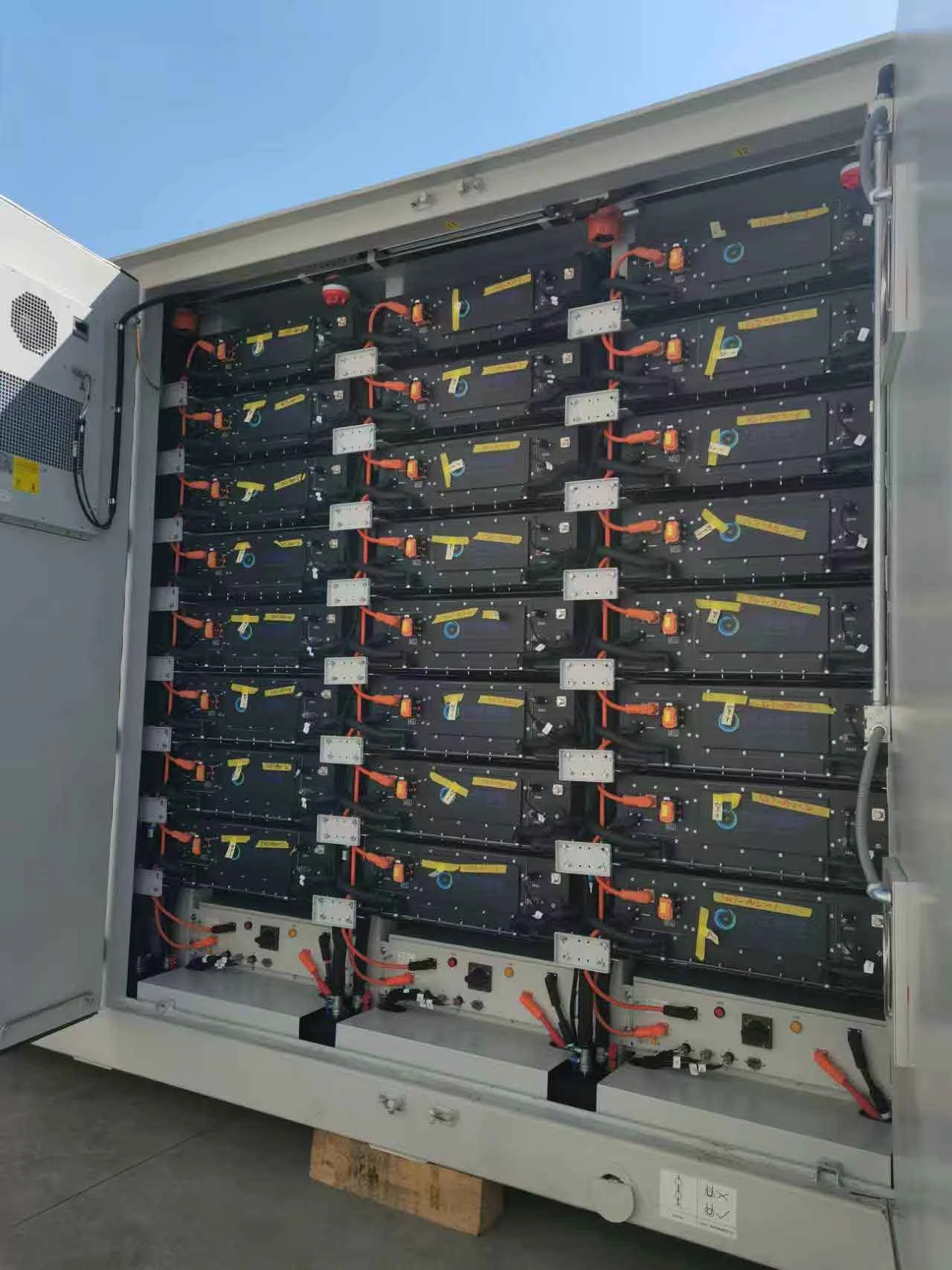
4. Lithium Battery & PCS Hardware
Lithium Battery Storage System
Most modern ESS projects use LFP lithium batteries due to their safety, stability, and long cycle life. Key specifications for developers and integrators:
- Cycle life (typically ≥6,000 cycles)
- C-rate and power output profile
- Thermal and humidity tolerance
- Communication interface (CAN / Modbus / RS485)
- Compliance and certification standards
PCS / Inverter
The PCS (Power Conversion System) manages bidirectional AC↔DC power flow and ensures seamless integration with PV systems, diesel generators, and the grid. Functions include:
- Backup switching
- Solar PV prioritization
- Grid synchronization
- Diesel hybrid management
- Load ramp response
5. EMS Software — The Brain of ESS
A professional Energy Management System (EMS) is critical. For EPC and integrator projects, EMS software provides:
- Automated load shifting and peak shaving
- TOU pricing optimization
- Diesel generator coordination
- PV charging and discharge sequence
- SOC (State of Charge) protection strategies
- Alarm handling and fault reporting
- Remote firmware upgrades and cloud integration
For Southeast Asia projects, EMS ensures:
Diesel run hours are minimized, solar energy is maximized, and system reliability is maintained.
[Image Placeholder: EMS Dashboard Screenshot Placeholder]
6. Thermal Management & Environmental Adaptation
In the Philippines, Indonesia, and Malaysia, environmental factors heavily influence ESS design:
- High ambient temperature (30–38°C)
- High humidity (70–98%)
- Coastal or island salt exposure
- Limited indoor space and airflow
Thermal strategies include:
- Forced air cooling
- Liquid cooling
- Hybrid cooling
Proper thermal management improves battery lifespan, performance, and safety.
7. Safety, Protection & Fire Suppression
A mature BESS solution implements multiple layers of safety:
- Over-current / over-voltage protection
- Short-circuit protection
- DC/AC isolation switches
- Emergency stop
- Fire detection & alarms
- Aerosol or FK-5-1-12 fire suppression
- Arc flash and lightning surge protection
Safety is mandatory for commercial, industrial, and microgrid deployments, especially in EPC-managed projects.
8. Deployment, Commissioning & O&M
An ESS project does not end at hardware delivery. It includes:
- Factory Acceptance Testing (FAT)
- Onsite Acceptance Testing (SAT)
- SCADA and EMS integration
- Site commissioning and calibration
- Performance monitoring
- Remote debugging support
Lifecycle O&M support ensures long-term reliability and ROI for integrators and EPC contractors.
9. Economic Value & ROI for C&I Projects
For commercial and industrial customers, the primary value of ESS comes from:
- Diesel fuel reduction
- Solar self-consumption
- Peak shaving and TOU optimization
- Backup power for critical loads
- Demand charge reduction
ROI models typically span 2–5 years in Southeast Asia, with proper sizing and EMS-driven dispatch.
10. Typical Use Cases in Southeast Asia
(1) PV + BESS Hybrid for Factories
- Reduce daytime PV curtailment
- Provide evening load support
- Minimize grid reliance
(2) Diesel-BESS Hybrid Microgrid
- Reduce diesel run hours by >25%
- Enable islanded operation in remote islands
(3) UPS + Backup for Critical Loads
- Data centers, telecom towers, hospitals, and industrial plants
(4) EPC + Developer + Integrator Collaboration
- Hoyinno Energy works with EPCs and integrators for design, supply, and commissioning, ensuring smooth project delivery.
11. Hoyinno Energy — Custom ESS Delivery Workflow
Hoyinno Energy provides end-to-end custom ESS solutions optimized for Southeast Asia EPC projects:
Step 1 — Requirement & Load Study
Step 2 — System Simulation & Sizing
Step 3 — Engineering & Single Line Design
Step 4 — EMS Strategy Customization
Step 5 — Cabinet / Container Integration
Step 6 — FAT (Factory Acceptance Test)
Step 7 — Logistics & Deployment
Step 8 — Onsite Commissioning & Tuning
Step 9 — Monitoring & O&M Support
This workflow minimizes technical risk for EPCs, integrators, and developers while ensuring cost-effective, reliable performance.
12. Hoyinno Energy — Differentiating Value Proposition
Hoyinno Energy stands out for customization, EMS software expertise, and cost-effectiveness:
① Tailored ESS Solutions
- Configured for PV, diesel, microgrid, or grid-tied systems
- Adapted to local regulations and environmental conditions
② Advanced EMS Software
- Full control of PV+BESS, diesel hybrid microgrid
- Peak shaving, TOU optimization, and load management
- Cloud SCADA monitoring with remote firmware updates
③ Cost-Optimized System Integration
- Factory-tested modules reduce onsite installation costs
- Efficient supply chain and containerized solutions
- Ideal for Philippines, Indonesia, Malaysia markets
④ Full EPC-Ready Support
- Engineering, design, delivery, commissioning, and O&M
- Reduces risk for local integrators and developers
- Ensures systems go live quickly and reliably
13. Conclusion & Call to Action
A mature commercial and industrial energy storage system solution is more than batteries; it is:
- Full system engineering
- EMS-controlled dispatch
- Hardware integration & containerization
- Thermal management & safety systems
- Onsite commissioning & O&M
- Financial modeling & ROI
For EPC contractors, integrators, and developers in Southeast Asia (Philippines, Indonesia, Malaysia), partnering with a system provider like Hoyinno Energy ensures:
- Project success
- Risk reduction
- Cost-effective deployment
- Long-term operational performance
Contact Hoyinno Energy today for customized ESS solutions, EPC support, and partnership opportunities in Southeast Asia.
 Why Early Electricity Load Data is Critical for Designing a Reliable C&I Energy Storage System
  Address: A401, Junxu Junchuang Park, 03A Qingyi Road, Nanhai District, Foshan City, Guangdong Province, China