



 Home
Home
Energy Storage Systems For Solar Power Need A Defined Operating Priority
Energy storage systems for solar power should be selected around a defined operating priority, because energy shifting, reserve and continuity place different demands on the same battery.
A project can appear straightforward when it is described as storing daytime generation for later use. The difficult decisions emerge when the same system is also expected to reduce peaks, preserve backup energy and work with a generator. These objectives compete for available capacity and control authority. A useful selection process starts by stating which service takes priority, then checks whether the proposed architecture can deliver it under the actual load and site conditions.
Define The Service Before Comparing Battery Sizes
Energy Shifting Requires A Time-Based Balance
For solar self-consumption, the relevant question is when generation exceeds demand and when stored energy can later serve a useful load. Annual energy totals hide that timing. A site may have substantial solar generation but little surplus during the periods when the battery could charge. Conversely, there may be plenty of midday surplus and too little evening demand to use a large store efficiently. A dispatch strategy needs a time series, not only a monthly bill.
The US Department of Energy's solar-and-storage explanation distinguishes the roles of generation and storage: storage moves energy between times rather than creating additional energy. That basic distinction is useful in project scoping. Charging losses, auxiliary consumption and operating limits also affect the amount available at the load. They should be represented in a project model using verified equipment data, rather than assumed away to make the energy balance look favourable.
Reserve Changes What Is Available For Daily Cycling
If backup is a priority, a portion of the battery may need to remain available for an outage. That reserve is not simultaneously available for unrestricted daily energy shifting. The operating policy should define when reserve is protected, when it can be released and how it is restored. A system sized using its full nominal capacity for several purposes at once may look adequate on paper while failing the intended priority during a difficult day.
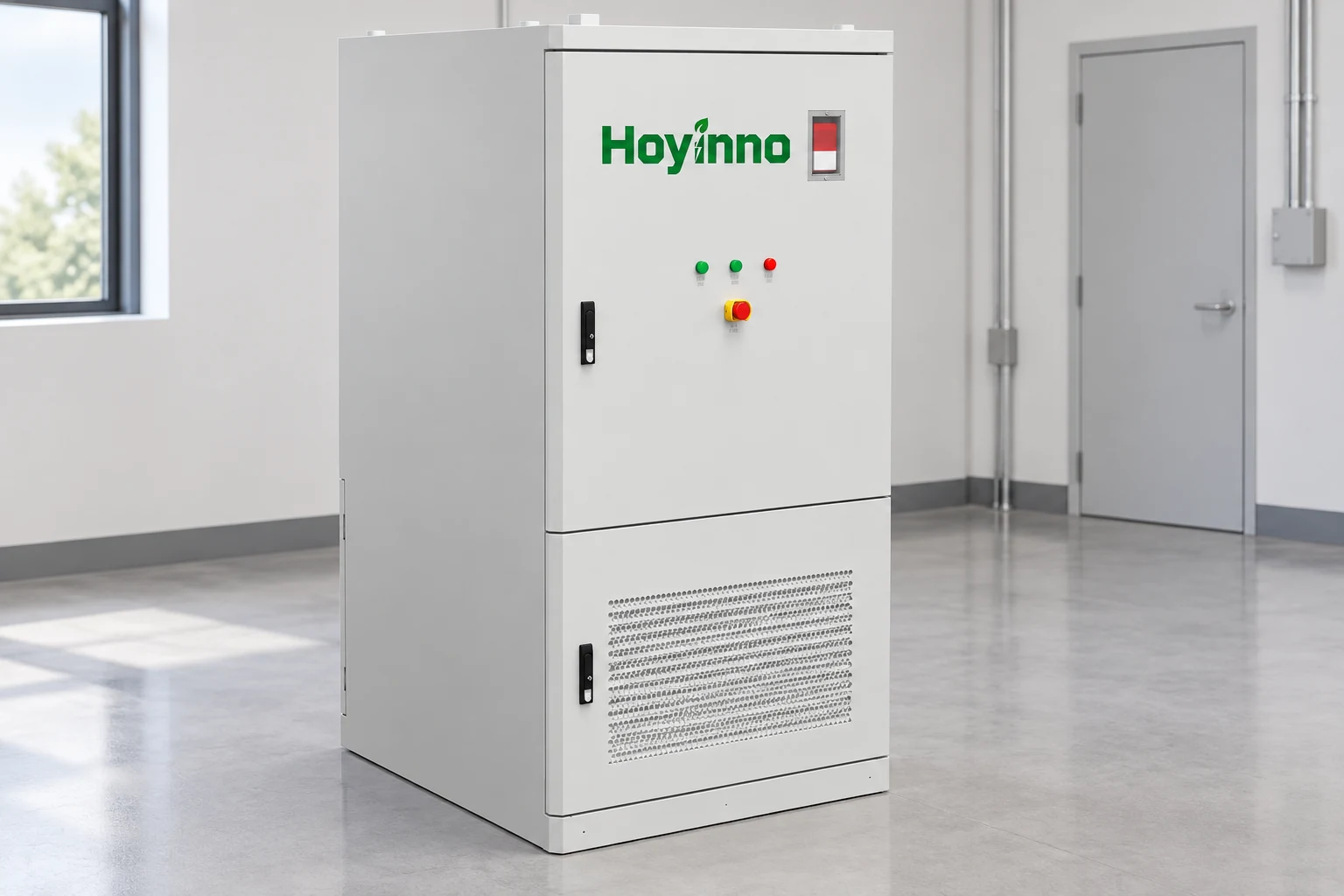
A review of the battery storage configurations should therefore follow the operating brief. The visual size of a cabinet does not establish usable battery capacity, available power or permitted modes. Those characteristics come from the actual configuration, its documentation and the conditions under which the values apply.
Describe The Load That Must Be Served
Power And Energy Answer Different Questions
Power describes the rate at which a load needs energy. Energy describes the amount required over a period. A short high-power event and a long steady load may require different equipment even if their total energy is similar. Starting behaviour, phase balance and changes in demand can matter alongside the average load. The proposed power conversion equipment must be assessed against those characteristics, not only a daily energy total.
Draw A Boundary Around The Critical Load
A critical load list should name the circuits or equipment that must remain supplied, along with their operating sequence and acceptable interruption. The whole building may not need the same level of continuity. Separating essential and discretionary demand can change the storage and switching requirements substantially. It also makes it possible to state what is intentionally disconnected when available energy falls below a defined point.
Choose An Architecture That Can Execute The Priority
Coupling And Conversion Must Fit The Existing Site
AC-coupled and DC-coupled arrangements place conversion and control at different points in the system. Selection depends on the existing solar installation, the proposed equipment, connection constraints and the desired operating modes. There is no universal best arrangement independent of those facts. A retrofit may place different demands on integration than a new project designed around a single coordinated equipment set.

For a site with an existing inverter, verify the intended interaction rather than assume that adding a battery cabinet creates a complete coordinated system. The engineering service context is relevant to connection and integration questions. Compatibility, protection settings and commissioning responsibilities still need to be confirmed for the exact equipment combination.
Grid-Connected Operation Does Not Automatically Mean Island Operation
A grid-connected battery can support an energy objective without being able to supply an isolated site during an outage. Island operation requires an appropriate system design, including switching, protection, control and suitable power-forming capability where needed. The acceptable interruption and restart sequence should be specified. An attractive storage capacity figure says little about whether those functions are present.
If a generator is part of the project, define how it is started, loaded, stopped and coordinated with solar and storage. The control sequence should handle low solar output, depleted reserve and the return of grid supply. Assign one clear owner for the overall sequence. Several individually capable components do not guarantee that their combined behaviour will meet the site's continuity requirement.
Translate Priorities Into Control Rules
The Energy Manager Needs A Clear Order Of Decisions
The dispatch strategy should state which action wins when objectives conflict. For example, preserving an outage reserve may take priority over an opportunity to discharge during a peak period. At another site, avoiding a process interruption may outrank an economic cycling target. These are operating choices that affect performance. They should be documented before comparing modelled outcomes from different proposals.
The energy management system overview provides a route into the controls discussion. Ask which measurements are used, which limits can be configured, how alarms are handled and what happens if communications fail. A dashboard is useful for visibility, but control capability should be demonstrated through the required functions and their tested responses.
| Dominant Objective | Information Needed | Control Question | Conflict To Resolve |
|---|---|---|---|
| Use more daytime solar later | Time-aligned generation and demand | When should charging and discharge occur? | Daily cycling may consume reserved energy. |
| Reduce a defined demand peak | Peak duration and billing or operating context | How is the target limit maintained? | A long peak may exceed the available energy window. |
| Maintain selected loads during an outage | Critical circuits and interruption limits | How does the system transition and restore reserve? | Continuity may reduce energy available for routine use. |
| Coordinate solar, battery and generator | Generator limits and source availability | Which controller owns the operating sequence? | Uncoordinated sources may undermine the intended priority. |
Energy storage systems for solar power become easier to compare when each proposal answers the same control questions. A larger battery may not solve a missing transition function, an unclear load boundary or an incompatible control interface. The specification should identify those gaps directly instead of treating extra nominal capacity as a general solution.
Check The Site Conditions That Limit Delivery
Available power and usable battery capacity must be read with their operating conditions. Ambient temperature, ventilation, installation environment and equipment limits can affect how a system is applied. Verify clearances, access, foundation requirements and the conditions covered by the selected enclosure. A product photograph does not confirm suitability for coastal exposure, dust, flooding or a particular local installation rule.
For projects across Southeast Asia, Africa and the Middle East, site conditions and local connection requirements can differ widely. The correct approach is to gather the actual location data and applicable requirements rather than assign one climate or regulatory assumption to an entire region. Installation and protection decisions belong in the engineering scope, with responsibilities made clear before equipment is ordered.
The service and support scope also affects the practical choice. Confirm who can access the system, which information can be reviewed remotely, how faults are escalated and which maintenance tasks require a visit. A technically suitable configuration can still be difficult to operate if the support boundary is unclear or essential diagnostic information is unavailable.
Compare Proposals Using The Same Operating Scenario
Compare proposals using identical load, generation, reserve and operating assumptions. The SAM behind-the-meter battery documentation explains time-based dispatch modelling; it does not validate an individual forecast. Identify what is modelled, what equipment documentation supports and what remains subject to design.

Ask for a normal-day scenario, a low-generation period and an outage or source-loss sequence where relevant. Each should show the intended critical load outcome and the assumptions that limit it. If the proposed system cannot meet every objective simultaneously, the comparison should make the compromise explicit. That is more useful than a single headline savings or runtime number without a defined operating case.
Commissioning and operating reviews should then test the functions that mattered in selection. Record which modes were demonstrated, the conditions used, unresolved items and the acceptance authority. Later changes to production schedules or solar capacity may justify revisiting the controls. The operating brief should remain a live reference for understanding the system, rather than disappear after the initial equipment comparison.
Frequently Asked Questions
Should Battery Capacity Match Solar Capacity Numerically?
No. Solar power and battery energy are different quantities, and their numerical values do not define a useful match. Selection needs the timing of generation and load, the intended service and the limits of the complete storage system.
Can The Full Nameplate Capacity Be Used For Every Objective?
Not necessarily. The permitted operating window, reserve policy, conversion losses and project performance basis affect what is available. Proposals should state the usable basis and the conditions behind it rather than treat a nominal figure as unrestricted delivered energy.
Does A Battery Cabinet Guarantee Backup During An Outage?
No. Backup depends on the complete architecture, switching, protection and control functions, as well as the selected loads and required interruption time. Confirm the intended mode with the actual equipment configuration and an appropriate commissioning test.
What If A Site Wants Both Savings And Continuity?
Define which objective has priority and how much reserve remains protected. Then evaluate both outcomes using that policy. The same stored energy cannot be assumed available for unrestricted economic discharge and for a later outage at the same time.
What Should Be Ready Before Comparing Quotations?
Prepare time-based load and generation information, connection details, essential-load boundaries, operating priorities and site conditions. Mark missing information explicitly. A proposal based on visible assumptions is easier to assess than one offering precise results from an incomplete brief.
Energy storage systems for solar power should be compared as complete operating arrangements. A clear priority, a defined load boundary and a testable control sequence give capacity figures their meaning and reveal where further engineering evidence is needed.
 What Limits Solar Power Storage Systems During Several Cloudy Days?
  Address: A401, Junxu Junchuang Park, 03A Qingyi Road, Nanhai District, Foshan City, Guangdong Province, China





