



 Home
Home
What Limits Solar Power Storage Systems During Several Cloudy Days?
Solar power storage systems face an energy-balance limit during cloudy weather. Available stored energy, changing demand and the opportunity to recharge matter more than battery capacity alone.
A cloudy period changes the balance between supply and demand
A battery shifts energy through time; it does not create a new energy supply. When solar output falls, the site draws more heavily on stored energy or another available source. A system that comfortably shifts afternoon generation into one evening may have a very different role during several low-generation days. The relevant question is what service must continue, under which weather and operating assumptions, and for how long.
Define the service before discussing the battery
Start by identifying the critical load and the acceptable operating condition. A site may need a defined group of essential functions to continue while discretionary activity is reduced. Another site may require normal operation throughout an outage. These are different objectives. A statement such as “three days of backup” has little meaning without the demand profile, starting charge, available generation and other supply assumptions that accompany it.
The battery storage range can introduce equipment options, while the off-grid application overview introduces one operating context. Neither page alone establishes autonomy for a particular project. A project assessment must connect the selected equipment to site demand, environmental conditions and the agreed service objective.
Separate available energy from instantaneous power
Power describes the rate at which energy is supplied; stored energy describes an available quantity. A system can have enough energy for a period of modest demand yet lack the power capability needed for a short simultaneous peak. Conversely, equipment capable of supporting a large short-term demand may not contain enough usable energy to sustain it. Both limits belong in the same assessment.
NREL's solar-plus-storage sizing material distinguishes these quantities when discussing system selection. The practical implication is to request both a time-based energy balance and a check of the relevant demand peaks. Dividing a nameplate energy value by a single average load is only a rough illustration, not a design result or a guarantee of service.
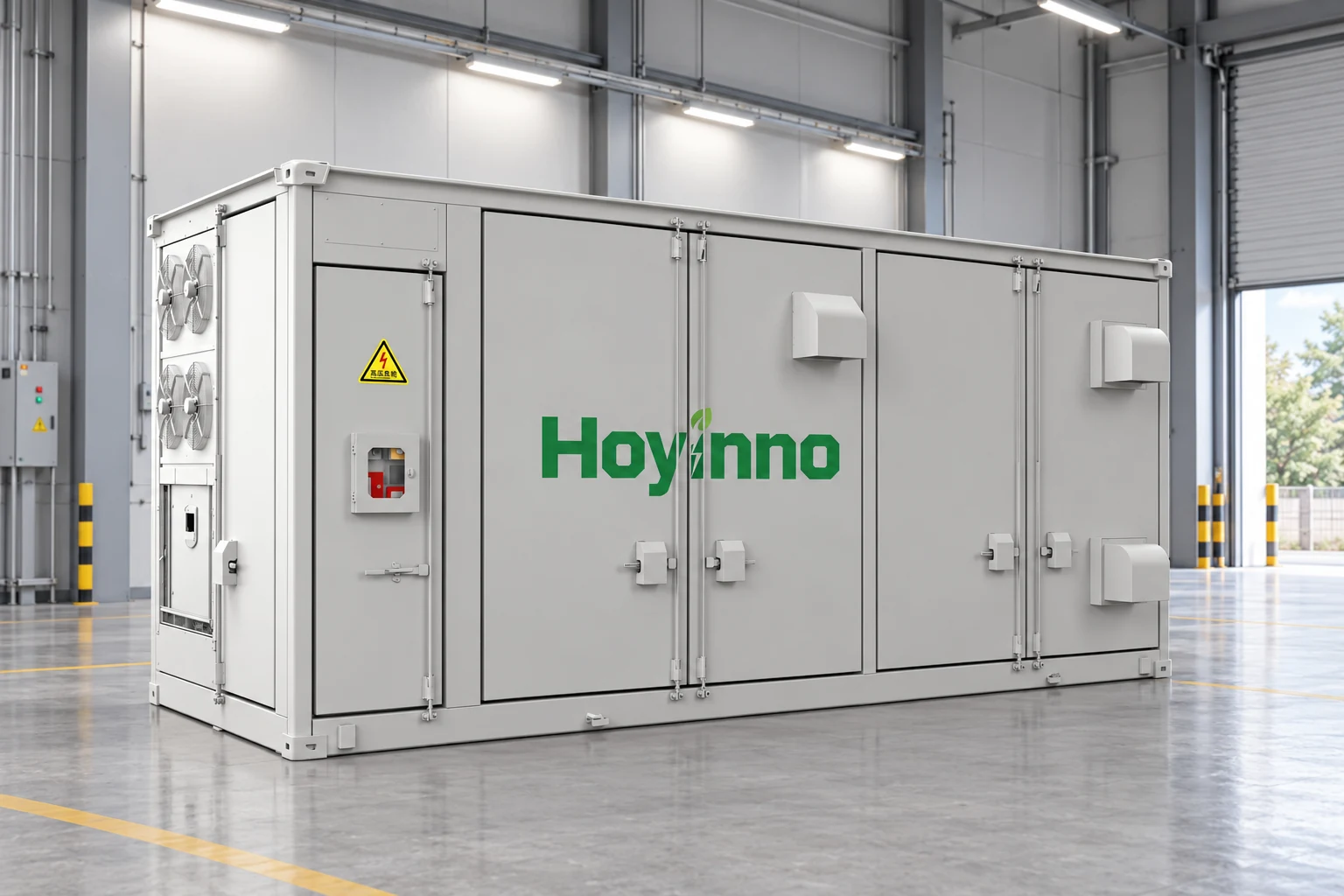
The starting energy reserve is part of the scenario
Use the operating state expected when disruption begins
Solar power storage systems may be serving routine objectives before poor weather or an outage begins. Energy used for daily shifting is no longer available as an untouched reserve at that moment. A resilience assessment should therefore state the assumed starting condition and the control policy that supports it. Assuming a full battery every time can overstate service when the normal operating policy allows deeper daily use.
The energy reserve may also be constrained by equipment operating limits and agreed protective margins. The usable range is a project-specific value to confirm with the responsible technical team. It should not be inferred from the largest capacity number in a product title. Documenting the starting condition makes different proposals comparable and exposes a trade-off between routine utilisation and retained backup capability.
Represent losses and changes in available capacity
Conversion losses, auxiliary consumption and the permitted operating range affect the energy that reaches the load. Performance can also depend on environmental conditions and the stage of the equipment's service life. These factors belong in a supported model with explicit assumptions. Applying one unexplained reduction factor to every project can hide material differences between systems and operating environments.
Demand over time determines how quickly storage is used
Build a load profile instead of relying on one average
A critical load can vary throughout the day. Equipment schedules, occupancy and operating cycles can produce peaks or long periods of steady consumption. Time-series demand data helps show when energy is needed and how that demand overlaps with available solar generation. An average may be useful for an initial conversation, but it can conceal the timing that determines whether the system meets the intended service.
Where measurements are incomplete, identify the uncertainty rather than inventing precision. Separate measured demand from estimates and state how a revised profile could change the conclusion. A hypothetical facility with reduced overnight activity will not behave like one with continuous processing, even if both report the same nominal connected capacity. The model should reflect the service actually being evaluated.
Make reduced-operation assumptions explicit
If the cloudy-weather plan assumes that some loads can be deferred, those changes must be operationally credible and approved by the responsible site team. A model should not silently remove demand that the organisation cannot actually stop. Critical load priorities are business and engineering decisions, not a convenient numerical adjustment made solely to extend a simulated duration.
The assessment should identify the normal operating case and any reduced-service case separately. This makes the result useful to managers who must understand what “continued operation” means. It also prevents an equipment proposal from appearing to offer full-site backup when the analysis covers only a smaller set of functions. Implementation and protective controls require qualified project design, outside the scope of a general article.
Solar recharge must cover more than the next daylight period
Track the deficit and the recovery separately
Cloud cover does not necessarily eliminate solar generation, but available production can vary substantially. Solar recharge must be considered alongside daytime demand: energy used directly by the site is not simultaneously available to refill storage. A daily solar total can therefore be misleading if it ignores when generation and demand occur. The relevant balance follows both through the same intervals.
Consider a purely illustrative sequence in which demand exceeds solar supply on the first cloudy day. The battery ends the day with less energy. If the next day produces only enough for current demand, the lost energy reserve is not restored. The system may be operating normally at that moment while remaining more vulnerable to the following night. Recovery is a separate question from surviving the first event.
The energy management system overview provides context for control and monitoring discussions. For a specific project, ask how the proposed operating policy balances current service, reserve objectives and recharge opportunities. Do not assume that a forecasting or management feature can overcome a sustained physical shortage of available energy.
| Scenario question | Assumption to record | Reason it changes the result |
|---|---|---|
| How does the event begin? | Starting state and reserve policy | Determines energy initially available |
| What must continue? | Time-based demand and service priorities | Defines both energy use and power needs |
| What solar input remains? | Weather sequence and generation model | Changes the deficit in each interval |
| How does recovery occur? | Post-event demand and recharge opportunity | Determines readiness for another event |
| What other supply is available? | Documented availability and constraints | Changes the system boundary being assessed |
Other supply and operating constraints change the boundary
Solar power storage systems can operate within different electrical architectures. A grid-connected project, a remote system and a site with another backup source do not share the same boundary conditions. The assessment should identify which sources are assumed available during each event. A normal grid connection should not be counted as outage support without an explicit, technically supported operating arrangement.
Published resilience-model examples, including NREL's REopt discussions, demonstrate why outage assumptions and critical-load definitions belong in an analysis. A duration reported for one example is not a transferable promise for another site. The value of such modelling is the ability to test stated scenarios and compare options, not to turn a single example into a universal storage rule.
Project reviews also need to distinguish equipment functions from the complete site solution. Interconnection, protection, control integration, environmental suitability and applicable approvals require qualified assessment. A general service description can identify support areas, but it should lead to a project-specific scope with clear responsibility for those interfaces.
A useful review compares scenarios and tests recovery
Ask for a base case and a small set of meaningful variations using the same model boundary. Variations might include a different starting energy reserve, a longer low-generation sequence or a revised critical load profile. The purpose is to identify which assumption most strongly changes the result. A large collection of scenarios is less helpful if the inputs cannot be explained or reproduced.
The engineering scope should define these modelling responsibilities. The output should distinguish unmet demand, the period in which service is maintained and the condition at the end of the event. It should also show what happens afterward. A design that meets one defined event may require a long recovery period, leaving limited readiness for a second disruption. Solar recharge and recovery deserve explicit attention in any claim about repeated resilience.
Once a system operates, compare relevant observations with the assumptions used during assessment. Changes in site demand or operating schedules can invalidate an earlier conclusion without any equipment fault. The operations and maintenance scope is a place to define monitoring responsibilities and the process for reviewing material changes. Operational records should support a new assessment when the service objective changes.

Frequently Asked Questions
Can batteries guarantee several cloudy days of normal operation?
Only a defined project assessment can support a duration claim. It must state demand, starting energy, remaining solar input, equipment limits and any other available supply. Capacity alone is insufficient.
Does a larger battery always solve a cloudy-weather problem?
More storage can increase available energy, but it does not create recharge supply or remove other constraints. The assessment must examine power capability, usable energy and the recovery opportunity together.
Why is the initial charge assumption important?
Routine operation may use energy before an event begins. A model that always starts full can overstate service if the actual operating policy does not preserve that condition.
Can a daily solar estimate establish backup duration?
Not by itself. Demand timing, conversion losses and solar recharge timing influence the balance. Time-based analysis provides a clearer picture of deficits and recovery.
When should an existing assessment be revisited?
Revisit it when demand, service priorities, operating policy or other material assumptions change. Compare the revised conditions with the original model instead of assuming that an earlier duration remains valid.
Solar power storage systems should be evaluated as an energy service over time. A clear demand profile, realistic starting state and explicit recovery scenario reveal the limits that a capacity label alone cannot show.
 A BESS System Has Distinct Ready, Running And Unavailable States
  Address: A401, Junxu Junchuang Park, 03A Qingyi Road, Nanhai District, Foshan City, Guangdong Province, China





