



 Home
Home
Energy Storage Challenges in Hot & Humid Regions
Lessons from the Philippines, Indonesia, and Malaysia — and How Hoyinno Responds
Designing energy storage systems for hot and humid regions is never just about battery capacity.
In Southeast Asia, heat, humidity, grid instability, and site conditions combine to create challenges that standard ESS solutions often struggle to handle.
Based on real project experience in the Philippines, Indonesia, and Malaysia, this article breaks down:
- the shared challenges across these regions
- the unique risks in each market
- and how Hoyinno engineers ESS solutions that actually work on site
Common Challenges Across Hot & Humid Regions
Despite local differences, these three markets share several critical environmental and operational challenges.
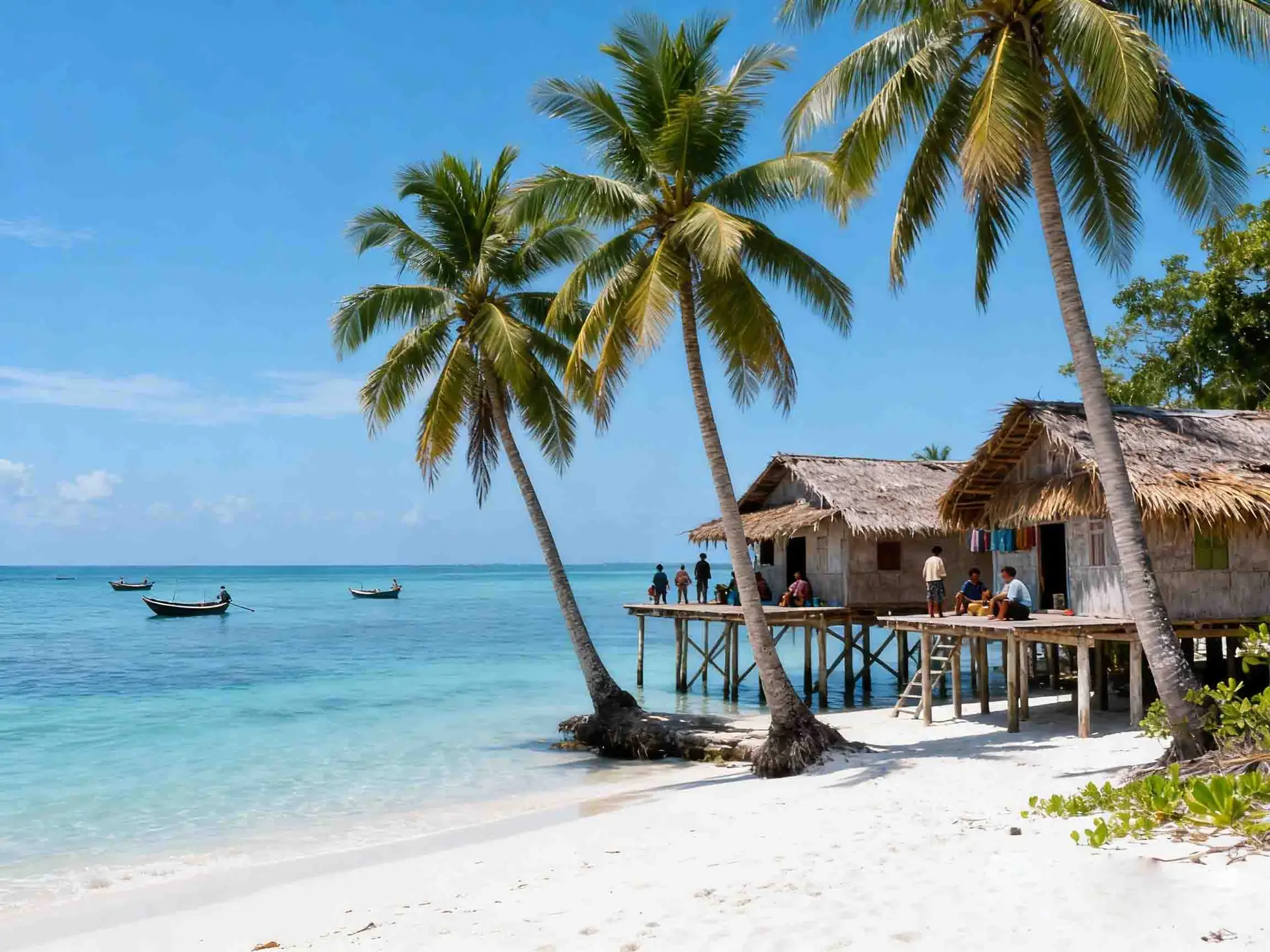
1. High Temperature Accelerates Battery Degradation
Ambient temperatures above 30–35°C are common year-round.
Without proper thermal design, batteries face:
- faster aging
- reduced usable capacity
- shortened cycle life
Passive cooling or lightly ventilated cabinets are simply not enough.
2. High Humidity Threatens Electrical Reliability
Persistent humidity introduces long-term risks:
- condensation inside cabinets
- corrosion of terminals and connectors
- insulation degradation
These issues rarely cause immediate failure — but they silently reduce system reliability over time.
3. Unstable Grids & Frequent Transitions
Grid quality in many areas is inconsistent:
- voltage fluctuations
- frequent outages
- rapid switching between grid, diesel, and ESS
This puts heavy stress on PCS, BMS coordination, and EMS logic.
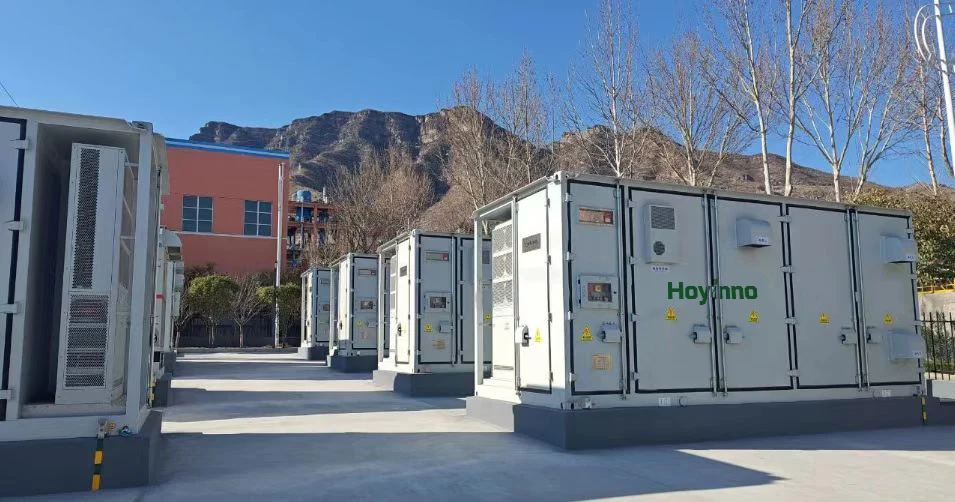
4. Outdoor & Semi-Outdoor Installations
Unlike controlled indoor environments, many sites are:
- rooftop-mounted
- containerized
- or placed in partially sheltered areas
This increases exposure to heat, moisture, dust, and salt air.
Market-Specific Challenges
While the climate is similar, each country presents its own operational realities.
Philippines: Typhoons & Frequent Blackouts
Key challenges
- Strong typhoons and heavy rainfall
- Flood-prone sites
- Frequent grid outages and diesel dependency
Design implications
- Enhanced enclosure sealing and drainage
- Fast-response ESS for black start and backup
- Robust system logic for frequent on/off cycling
Indonesia: Remote Sites & Weak Infrastructure
Key challenges
- Many islands and remote locations
- Limited grid coverage
- Difficult logistics and maintenance access
Design implications
- High system reliability with minimal maintenance
- Modular designs for transport and expansion
- Strong diesel–solar–ESS hybrid control logic
Malaysia: Heat + Humidity with Higher Grid Standards
Key challenges
- Consistently high humidity
- High expectations for system stability and safety
- Longer continuous operation cycles
Design implications
- Precise thermal management
- Strict protection logic and fault handling
- Clean integration with existing electrical infrastructure
How Hoyinno Addresses These Challenges
At Hoyinno, we do not treat Southeast Asia as a “standard market.”
Each system is engineered, not packaged.
1. Thermal Design for Real Ambient Conditions
We design ESS based on actual site temperature, not lab assumptions:
- Active cooling strategies matched to load profile
- Temperature-aware EMS control logic
- Battery operating windows optimized for lifespan, not just power output
2. Humidity-Resistant System Engineering
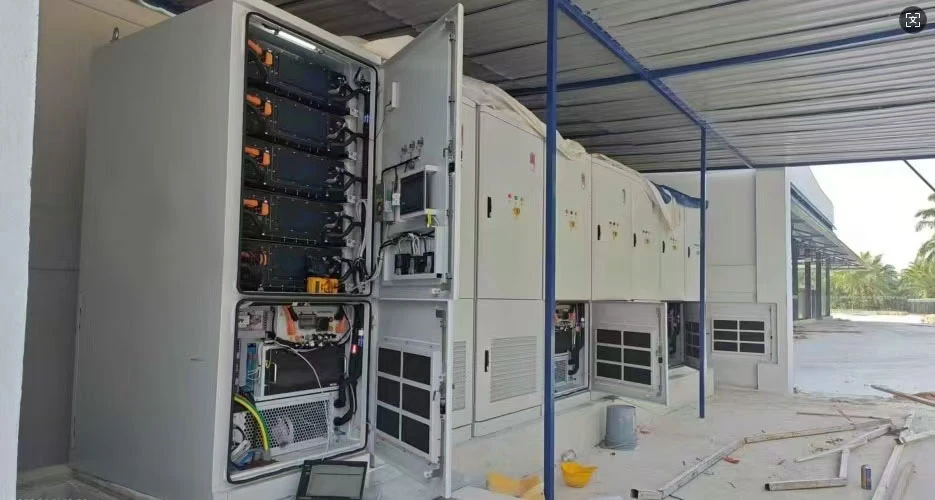
Our systems incorporate:
- Industrial-grade enclosures
- Moisture-aware internal layout
- Long-term corrosion prevention at connection points
This significantly reduces hidden failure risks over time.
3. In-House EMS Built for Unstable Grids
Hoyinno’s self-developed EMS enables:
- Fast and stable transitions between grid, diesel, and ESS
- Load-priority control during outages
- Custom logic for hybrid systems in weak-grid environments
This is especially critical in the Philippines and Indonesia.
4. Modular, Service-Friendly System Architecture
For regions where maintenance access is limited, we focus on:
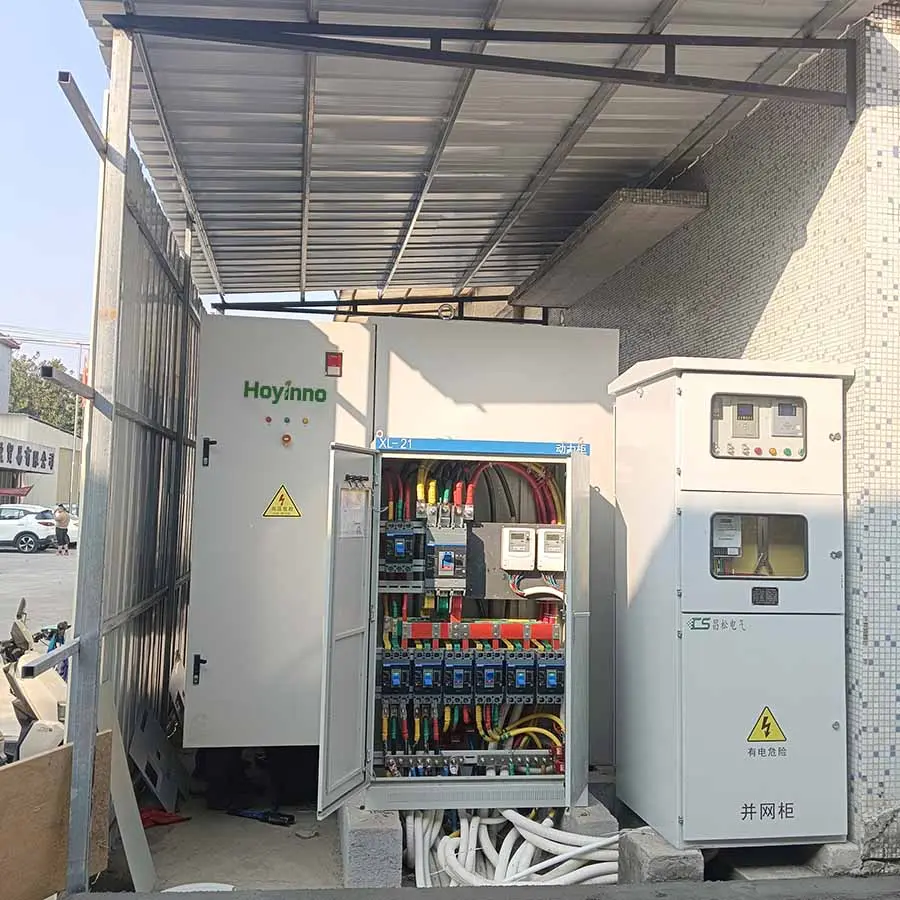
- Modular battery and PCS architecture
- Clear fault isolation
- Simplified on-site troubleshooting
Less downtime. Fewer surprises.
5. Design Driven by Real Project Experience
Our systems reflect lessons learned from:
- multi-site deployments
- harsh outdoor environments
- long-term operation in hot and humid regions
We design for how systems are actually used, not how they look on paper.
Final Thought
Hot and humid regions demand more than standard ESS solutions.
They require engineering discipline, environmental awareness, and operational realism.
At Hoyinno, we believe reliable energy storage starts with understanding the environment — and designing around it.
If you’re developing ESS projects in the Philippines, Indonesia, or Malaysia, talk to us about an energy storage system engineered for your site conditions.
 Why Commercial & Industrial Energy Storage Systems Are Best Built as Customized Projects
 Oct 31,2025
 Address: A401, Junxu Junchuang Park, 03A Qingyi Road, Nanhai District, Foshan City, Guangdong Province, China