



 Home
Home
How Does Offgrid Solar Balance Sunlight, Storage, And Essential Loads?
Offgrid solar becomes reliable when a site-specific load profile is matched with solar production, battery storage, power conversion, protection, controls, and a clear backup policy. Panels supply energy only when the resource is available; the rest of the system must keep voltage, frequency, power quality, and priority loads inside acceptable limits through changing weather and demand.
Start With Demand Before Selecting Equipment
Separate Essential, Flexible, and Deferrable Loads
A single daily energy total cannot show which loads must remain energized at night, which motors impose a short starting surge, or which process can move into sunny hours. A useful critical load schedule groups loads by priority and records continuous watts, starting power, run duration, duty cycle, allowable interruption, and expected future growth. Refrigeration, communications, safety systems, pumps, workshops, and comfort loads may all need different service rules.
Convert the Appliance List Into an Hourly Profile
The profile also defines design cases. A normal day supports energy balancing, a peak day tests power conversion, and a constrained day tests autonomy and backup. Hoyinno's same-site analysis service is relevant as a project input, but the buyer still needs to confirm which measured data, assumptions, seasonal cases, and load-growth allowances are included.
Translate Sunlight Into a Conservative Design Resource
Use a Site-Specific Solar Resource Assessment
Temperature and installation conditions matter because array output, conversion efficiency, cable losses, and battery behavior do not remain constant. A design review should show how these effects were treated, which values came from site evidence, and which remain to be confirmed. The engineering scope can then be compared with the owner's data requirements rather than accepted as an undefined turnkey label.
Coordinate Generation, Storage, and Conversion
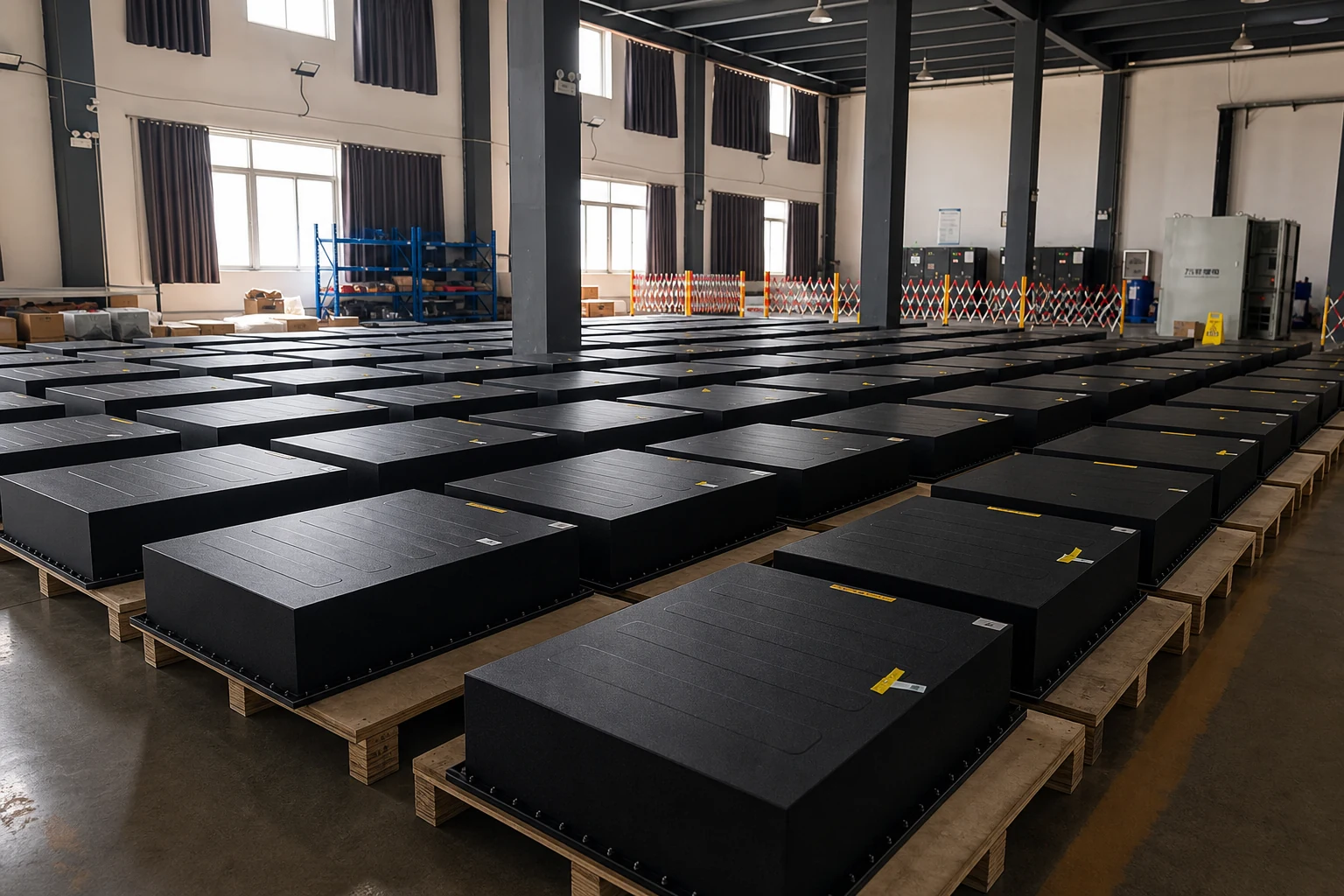
Generation, storage, and conversion form one power path. A larger array may shorten battery recovery but cannot by itself supply night loads. A larger battery may extend autonomy but cannot correct an inverter that is undersized for continuous or surge power. The BESS category shows that storage is available in different cabinet, integrated, modular, and containerized forms; the correct form still depends on the project's energy, power, environment, and service plan.
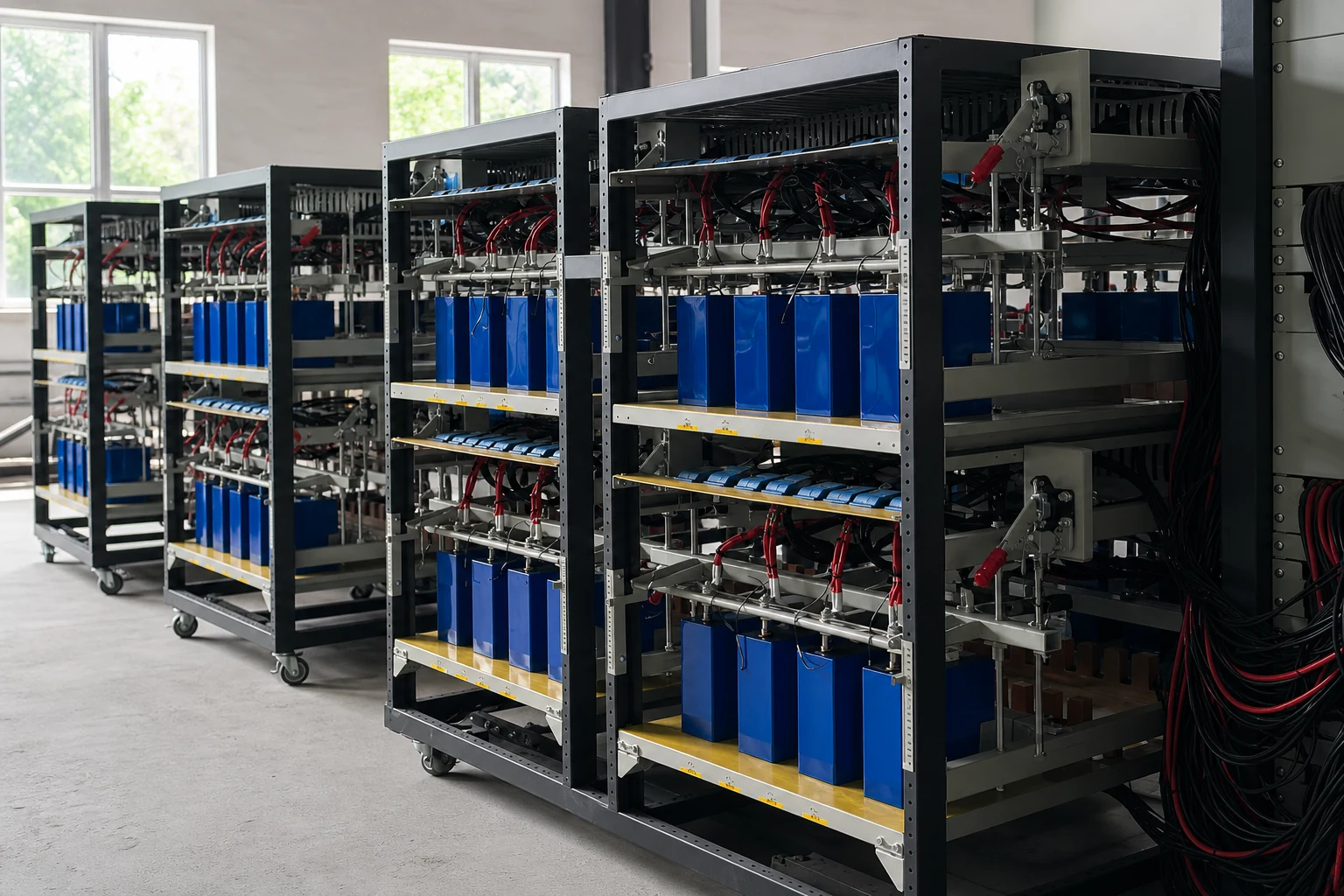
Treat the Battery as an Energy Buffer With Limits
Storage architecture also affects serviceability and expansion. A modular energy storage system may support staged growth, while a containerized arrangement may consolidate equipment and site interfaces. Neither label proves suitability without compatible voltage, controls, protection, thermal management, access clearance, and documented operating boundaries.
Keep the Inverter Inside Its Real Operating Envelope
The inverter operating window includes more than rated kilowatts. Designers must check continuous power, short-duration surge, phase arrangement, power factor, DC voltage range, charge power, ambient derating, parallel-unit behavior, and the ability to establish a stable isolated AC reference. Loads with motors, compressors, transformers, or power electronics may expose weaknesses that an energy-only calculation misses.
Coupling architecture changes the interfaces among PV, batteries, inverters, and backup generation. The selected power conversion and control equipment should therefore be reviewed through a single-line diagram and operating-mode narrative. Those documents show who controls voltage and frequency, what happens when a source reaches a limit, and how the system transitions between solar, battery, and backup operation.
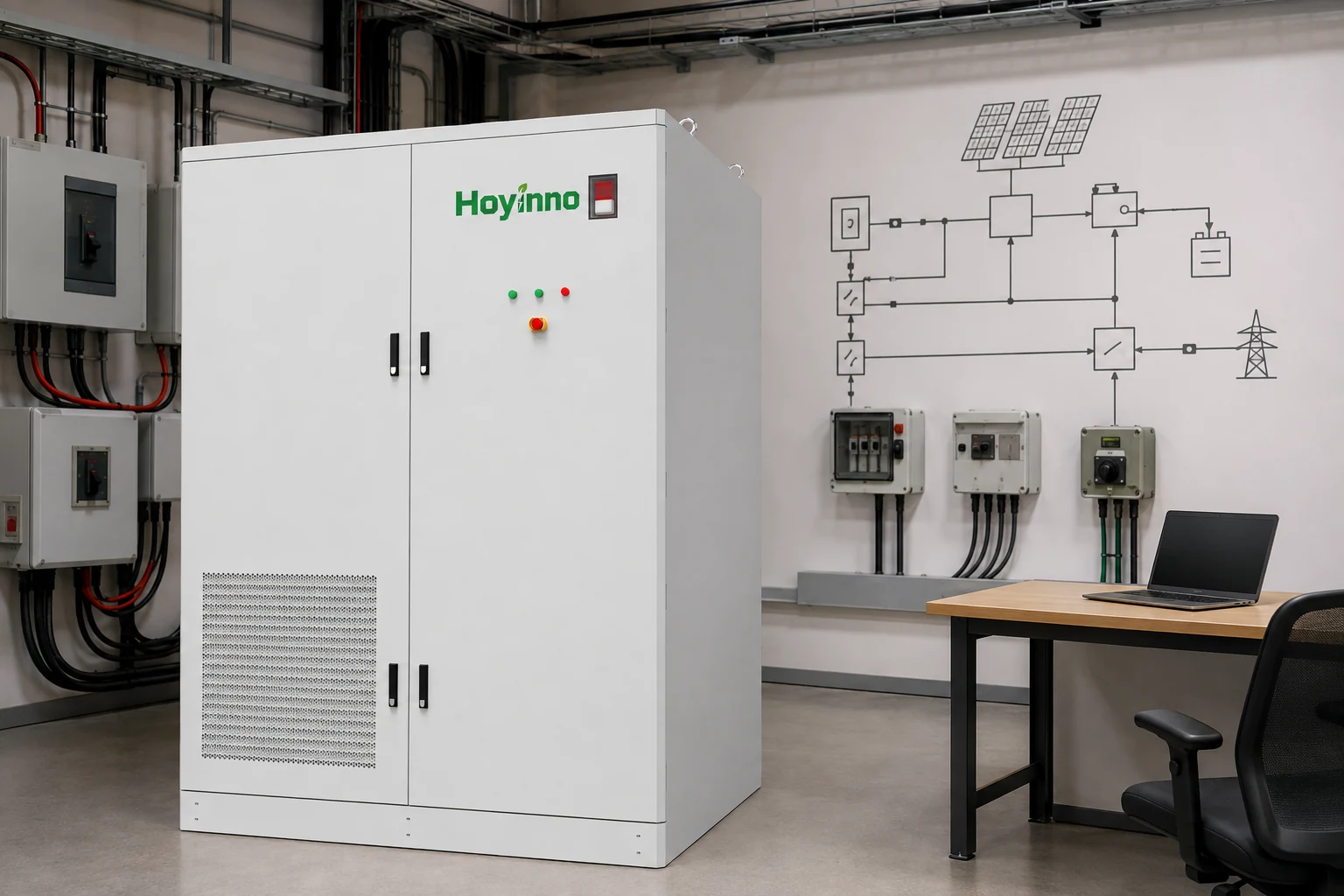
Define Autonomy, Backup, and Load-Shedding Rules
Set the Battery Autonomy Reserve From Service Consequences
The battery autonomy reserve should be tied to weather risk, access constraints, backup availability, restoration time, and the consequences of interruption. One universal number of days is not appropriate for every site. A clinic, telecom shelter, water system, lodge, mine camp, and construction compound may have very different critical loads and recovery options even when their daily energy totals look similar.
Design Backup as a Controlled Resource
Backup generation can reduce required battery reserve and support recovery after extended poor weather, but only if its power, minimum loading, start logic, fuel availability, maintenance, and charging interface are coordinated. A generator that can carry the loads may still be unable to carry the loads and charge the battery simultaneously. Conversely, an oversized unit may spend too much time at an inefficient low load.
| Design question | Evidence to review | Failure if omitted | Owner decision |
|---|---|---|---|
| What must remain powered? | Measured profile, duty cycles, surge data, load priorities | Energy and power are sized for the wrong demand | Define essential, flexible, and deferrable loads |
| What solar case governs? | Site resource source, worst-month case, shading and loss assumptions | Array recovery is overstated during constrained periods | Approve the design resource and uncertainty margin |
| How much storage is usable? | Energy balance, operating limits, temperature and aging treatment | Nameplate capacity is mistaken for deliverable service | Set reserve, load-shedding, and recovery thresholds |
| Can conversion meet the load? | Continuous and surge ratings, DC range, derating, phase behavior | Voltage or frequency collapses during a demanding event | Confirm acceptable operating modes and expansion path |
| What happens in poor weather? | Autonomy model, generator logic, fuel plan, black-start sequence | The site has no controlled path back to normal operation | Choose the backup and restoration policy |
Protect and Control Every Power Path
Make Protection Follow the Available Fault Energy
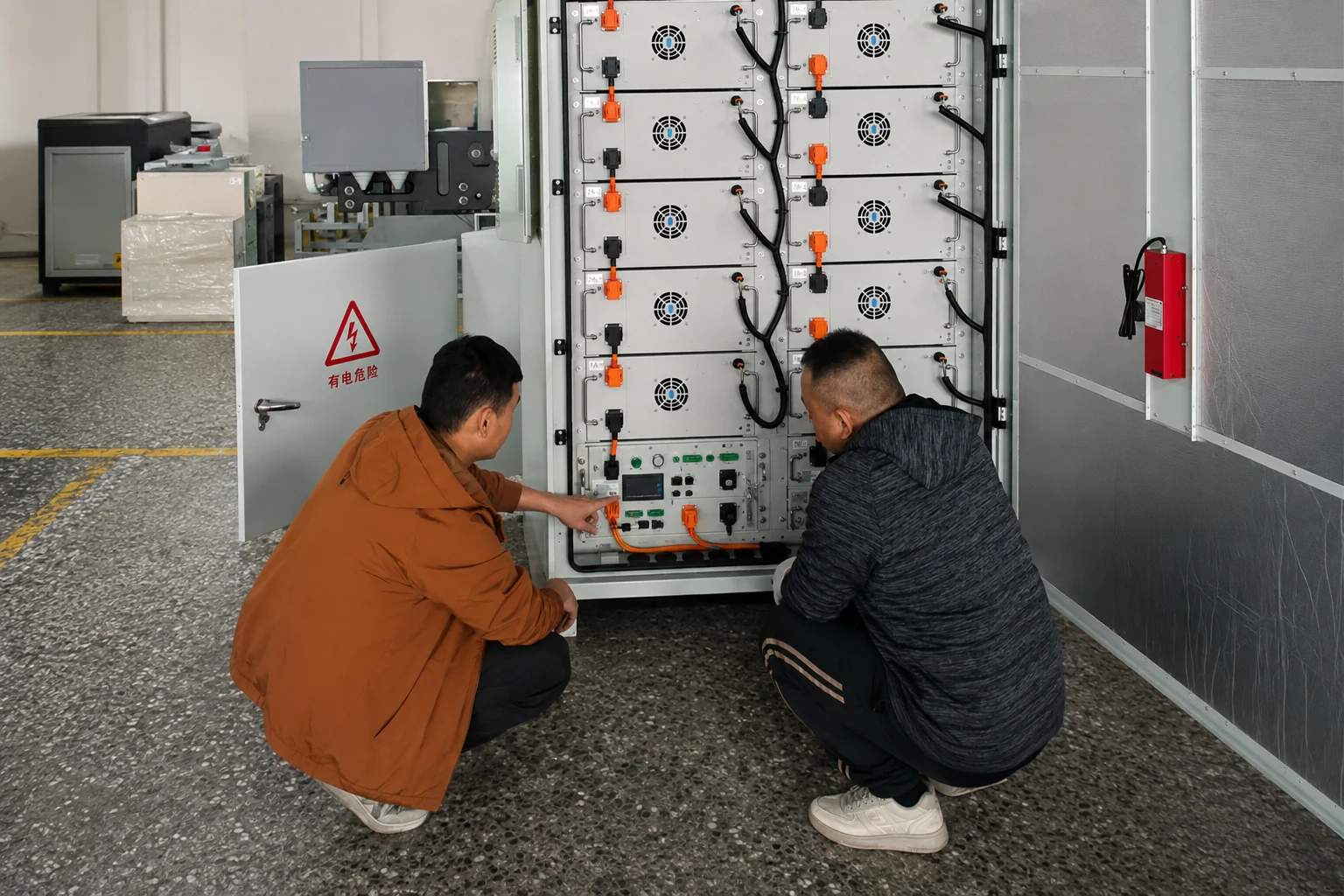
Protection design should identify isolation points, overcurrent devices, earthing, surge protection, DC arc risks, emergency shutdown, communication loss behavior, and access boundaries. Available fault current may change when the source changes from an inverter to a generator, so protection assumptions need to follow operating modes. Cable sizing, device ratings, and coordination should be checked against the applicable local rules and project voltage.
Use monitoring to support decisions, not decoration.
Monitoring is useful when measurements connect to operating actions. At minimum, the operator may need generation, load, battery state, alarms, source status, and recent events. Hoyinno describes its energy management system as coordinating monitoring and operating strategies across PV, storage, power conversion, and other site equipment. Buyers should still define required points, retention, communications, alarm priorities, user roles, and fallback behavior.
Turn the Design Into Commissioning Evidence
Verify Equipment Before It Reaches the Site
Review drawings, bill of materials, interface lists, protection settings, communication maps, test plans, and document revisions before shipment. The critical load schedule should trace through the design so reviewers can see which equipment and operating modes protect each priority. The inverter operating window should also appear in test conditions, including expected surge and charging cases rather than only a nominal rating.
Test Transitions, Limits, and Recovery on Site
Commissioning should prove normal operation and controlled abnormal operation. Useful cases include solar ramp changes, a representative load step, low-state-of-charge response, generator start and stop where used, source transfer, communications interruption, alarm handling, emergency shutdown, black start if required, and restoration after a trip. Tests must use safe procedures and approved limits.
Handover should provide the final settings, as-built drawings, operating narrative, alarm list, maintenance schedule, spare-parts plan, and responsibility matrix. Hoyinno lists operation and maintenance services and technology support; a project should define the actual scope, response route, remote-access conditions, exclusions, and records expected from those services.
How Should an Offgrid Solar Proposal Be Read?
A proposal should be read as a system argument, not as a list of attractive component ratings. Each major value should trace back to a demand case, resource assumption, operating rule, environmental condition, or acceptance criterion. Two offers cannot be compared fairly until they use the same boundaries and clearly state exclusions.
- Confirm whether quoted capacity is nameplate or usable and which operating limits apply.
- Check whether peak, surge, phase balance, and motor starting were evaluated separately from daily energy.
- Ask which month, weather sequence, shading condition, and loss values govern the array model.
- Identify which loads are protected during autonomy and which are shed or rescheduled.
- Require an operating-mode narrative for solar, battery, backup, maintenance, and recovery states.
- Compare included protection, civil works, cabling, communications, testing, training, spares, and documentation.
- Record every assumption that the owner must verify before the design is released for construction.
Frequently Asked Questions
Can solar panels power a site directly without batteries?
Some loads can operate while sunlight is available, but a continuously supplied isolated site normally needs another resource when production falls or demand exceeds instantaneous output. Storage, dispatchable generation, flexible-load control, or a combination may provide that balance. The required arrangement depends on the load's timing and tolerance for interruption.
How many hours of battery storage are enough?
There is no universal duration. The answer depends on the protected load profile, poor-weather case, allowed discharge, temperature, aging, backup availability, restoration time, and interruption consequence. The battery autonomy reserve should be justified through these service requirements rather than copied from another project.
Why is panel capacity not the same as dependable power?
Panel rating describes output under defined test conditions, while site production changes with irradiance, temperature, orientation, shading, soiling, and losses. Dependable service also needs storage or another balancing resource, adequate conversion power, controls, and protection. A fresh solar resource assessment helps connect the array model to the actual site.
What information should be measured before design?
Useful inputs include interval load data where possible, equipment power and surge values, duty cycles, seasonal changes, operating hours, future loads, outage consequences, environmental conditions, space, access, and existing electrical interfaces. When measurements are missing, the assumption and its verification plan should be explicit.
What makes a commissioning test useful?
A useful test has a defined condition, safe procedure, expected result, measured observation, pass criterion, and responsibility for exceptions. It demonstrates transitions and limits that matter to service, not merely that equipment can be switched on. Results should map to the current drawings, settings, and equipment configuration.
A Reliable Offgrid Solar System Is an Operating Plan
Reliable independent solar supply emerges from a chain of evidence: measured or defensible demand, conservative resource treatment, coordinated energy and power ratings, explicit reserve and backup rules, protection for every operating state, and commissioning that proves the design. The best next technical step is to resolve the largest remaining uncertainty in that chain, because an honest assumption with a verification plan is safer than precision built on missing site data.
 Which Site Risks Should Off Grid Solar Solutions Resolve Before Equipment Selection?
  Address: A401, Junxu Junchuang Park, 03A Qingyi Road, Nanhai District, Foshan City, Guangdong Province, China





