



 Home
Home
Which Off Grid Electricity Solutions Protect Service Through The Full Recovery Cycle?
Off grid electricity solutions should be compared as complete service systems, not as a list of solar panels, batteries, converters, or generators. The central question is whether the selected architecture can keep the agreed loads operating through weak renewable periods, equipment limits, maintenance, faults, and restoration.
This guide is for EPC project managers, procurement leaders, energy managers, electrical engineers, and investors evaluating remote projects in Southeast Asia, Africa, and the Middle East. It offers a decision structure, not a site design or a claim that the pictured equipment fits a particular load, climate, code, or contract.
Define The Electricity Service Before Choosing Equipment
Start with the load service boundary: which buildings, feeders, processes, communications, pumps, cooling, safety systems, and auxiliaries are included; which may be shed; and how long interruption is acceptable. A total annual energy figure cannot show motor starts, evening peaks, coincident loads, seasonal production, or the consequence of losing an essential auxiliary.
Turn The Load List Into Operating States
Build chronological profiles for normal operation, start-up, low activity, peak demand, maintenance, emergency service, and recovery. Separate critical, priority, deferrable, and nonessential loads. Record power, energy, inrush, power factor, harmonics, operating window, restart behavior, and the owner who approved each classification.
Set A Measurable Service Objective
Define maximum interruption, allowable unmet energy, reserve policy, restoration sequence, minimum communications availability, and the event classes the project must survive. State exclusions. A promise of “continuous power” is not testable unless the duration, load boundary, unavailable equipment, resource condition, and fuel assumptions are explicit.
Choose A Source Mix That Matches Resource And Logistics
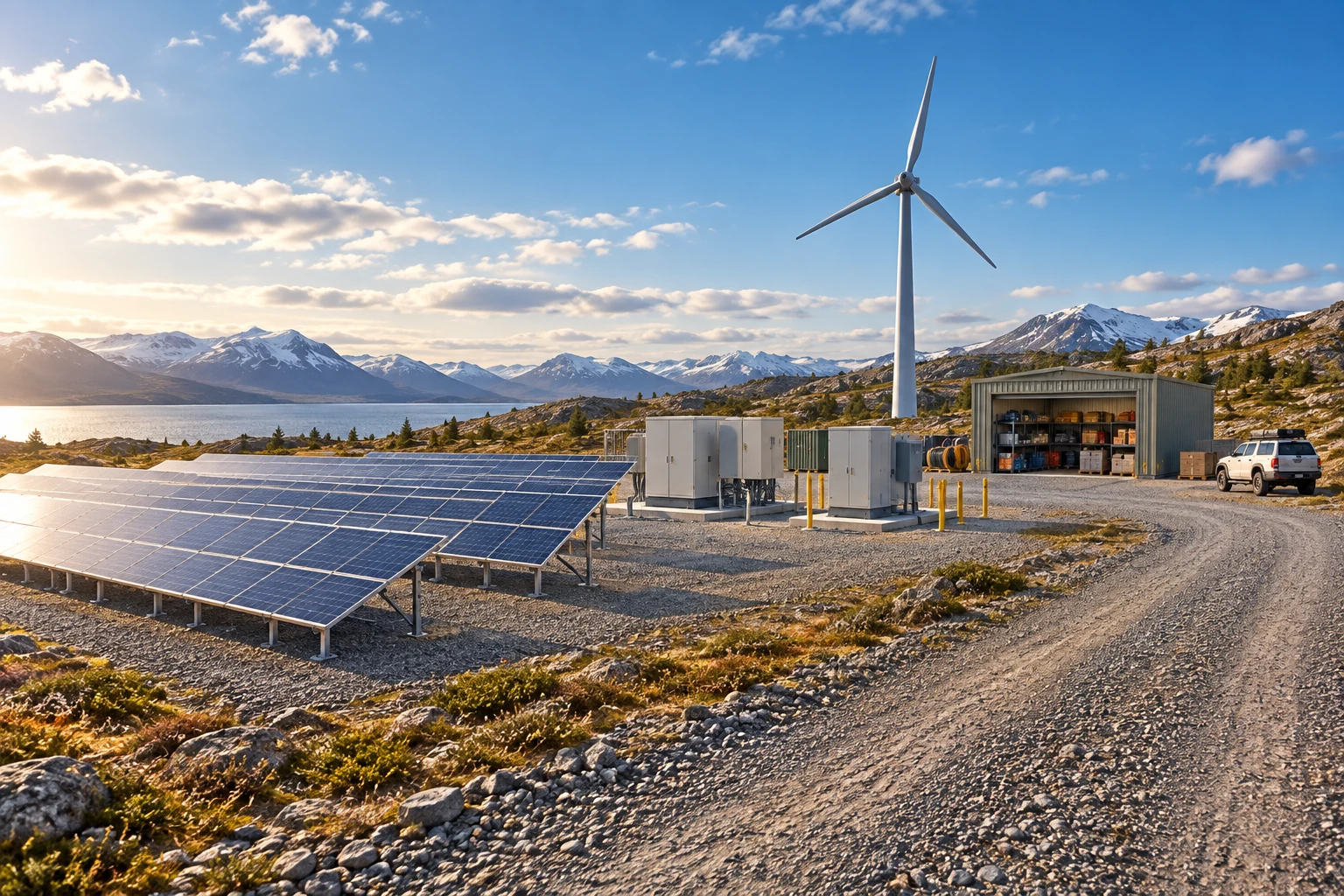
A credible source portfolio may combine solar, wind, storage, a dispatchable generator, an intermittent utility connection, or another local resource. The best mix depends on chronological resource quality, load shape, fuel access, maintenance capability, space, environmental constraints, and the cost of unserved load. More nameplate capacity does not automatically improve resilience when sources fail together or cannot be controlled.
Model Time, Not Just Totals
Use time-series data at a resolution that captures ramps and short peaks. Test seasonal extremes, forecast error, soiling, temperature, curtailment, component availability, and realistic conversion losses. Annual averages can hide multi-hour or multi-day deficits. The model should expose when storage charges, when dispatchable generation starts, what load is shed, and whether reserve is restored before the next event.
Make Fuel And Maintenance Part Of Availability
A backup generator is not firm capacity if fuel delivery is unreliable, starting batteries are neglected, parts are unavailable, or the control system cannot synchronize it. Define stored fuel, replenishment lead time, testing frequency, minimum loading, maintenance windows, exhaust and acoustic constraints, and the responsible operator. The same logic applies to wind access, panel cleaning, spare converters, and communications support.
Size Storage For Power, Energy, Reserve, And Recharge
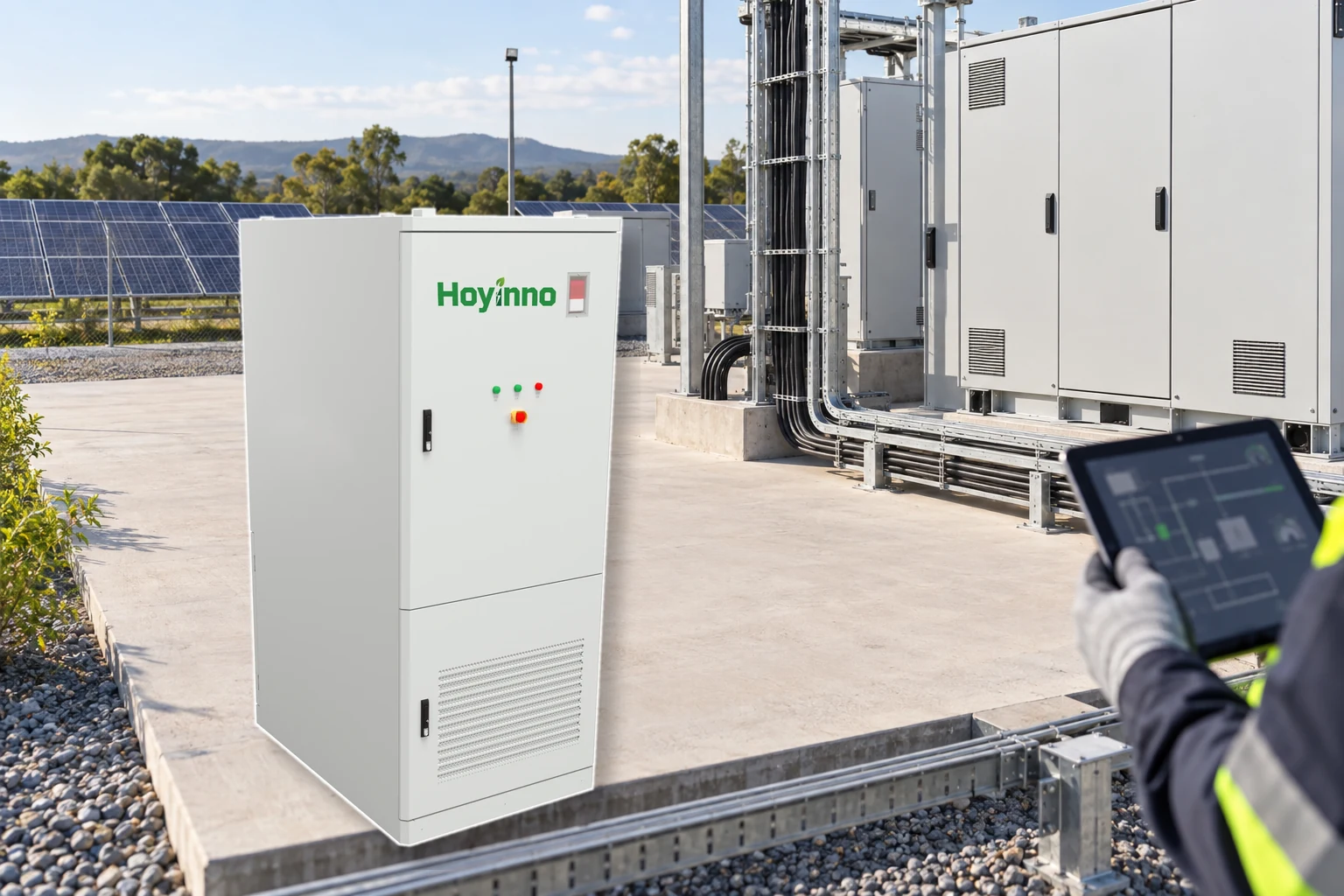
Storage must satisfy four different duties. Power covers instantaneous demand and motor starts. Energy covers duration. Reserve protects against forecast error and contingencies. Recharge capability determines whether the system can return to a safe state before the next challenge. A nominal capacity figure does not describe all four.
Trace The State Of Charge Through The Hardest Cases
Model usable operating range, converter limits, temperature derating, auxiliary consumption, aging allowance, efficiency, charge acceptance, and reserve thresholds. Review the minimum state of charge, duration below target, energy not served, curtailed energy, and time to restore reserve. If a generator is present, test when it starts, how it shares load, and whether it can serve the site while charging storage.
Distinguish Calendar Life From Project Availability
Cell life projections are not the same as system availability. Cooling, controls, fire detection, switchgear, communications, protection, software, and auxiliary power can stop service. Procurement should request the operating envelope, derating basis, maintenance intervals, replacement assumptions, alarm strategy, remote support boundary, and evidence used for the lifecycle model.
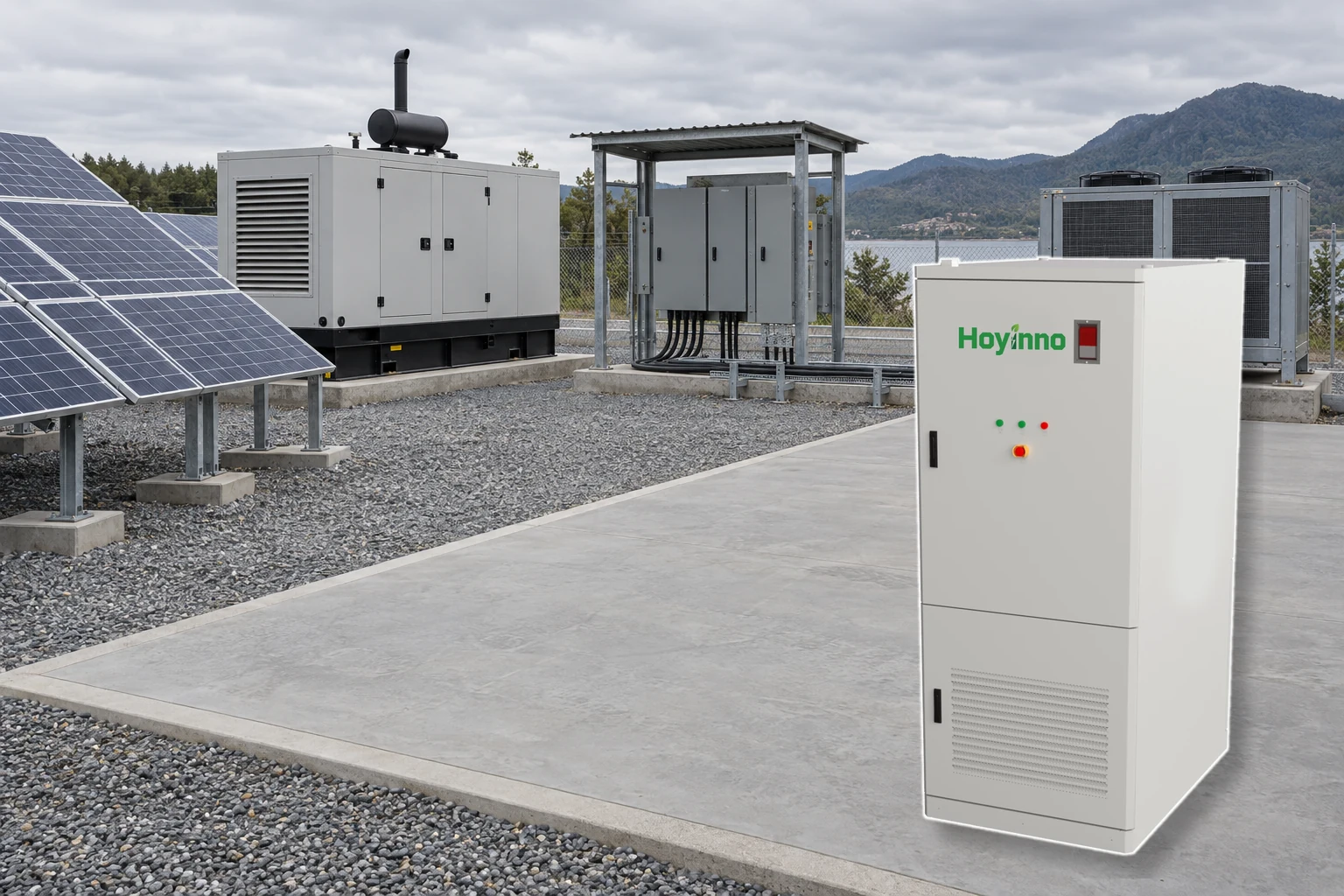
The current BESS overview provides product-family context, while the 233 kWh cabinet page shows the same-site equipment family used in the locked visuals. Neither page replaces a project load study or a site-specific selection.
Make Conversion, Protection, And Controls One Design
The system needs an explicit control architecture for grid-forming and grid-following behavior, dispatch priorities, state transitions, communications loss, black start, load shedding, synchronization, alarms, manual control, and safe shutdown. If multiple devices can command the same asset, ownership and arbitration must be defined.
Coordinate Protection Across Changing Fault Conditions
Fault current and direction can change with inverter state, generator operation, feeder configuration, and source availability. Engineers should study grounding, isolation, selectivity, anti-islanding where relevant, protection settings, device ratings, arc-energy controls, and the consequences of communications failure. Settings must be versioned and tied to the approved one-line diagram.
Define The Stable Device In Every State
For each operating state, identify which device establishes voltage and frequency, which devices follow, what happens at limits, and how the system transitions without conflicting commands. The power conversion and control and energy management system pages describe relevant capability areas; the project specification must still allocate functions, interfaces, settings, and acceptance tests.
Design For The Site, The Operator, And The Supply Chain
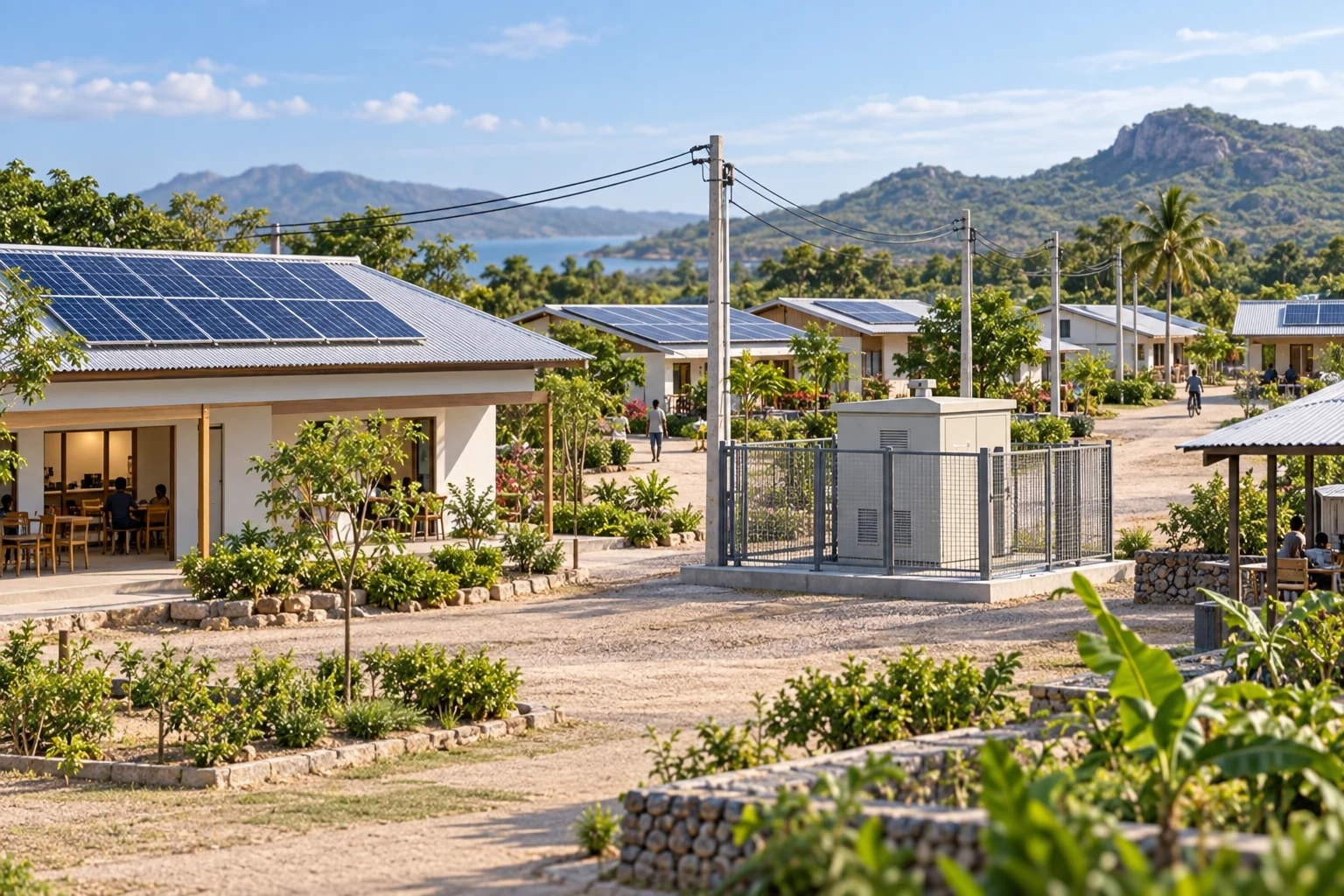
Ambient temperature, dust, humidity, salt, altitude, flooding, seismic conditions, wildlife, drainage, lightning, access roads, security, local skills, and communications can change equipment selection and layout. The project should record environmental design data, enclosure and cooling assumptions, civil interfaces, cable routes, lifting access, clearances, emergency access, and spare-parts strategy.
Plan Maintenance Without Removing The Whole Service
Identify equipment that can be isolated, loads that can transfer, reserve needed during work, consumables, test instruments, remote-support requirements, and response times. A technically efficient plant can be operationally fragile when one filter, fan, sensor, breaker, software license, or communication module has a long replacement lead time.
Compare Architectures By Failure And Recovery Behavior
The comparison should use common cases and common boundaries. Define resource data, load profile, outage assumptions, unavailable equipment, aging year, temperature, fuel conditions, reserve target, and analysis horizon. Then compare served load, interruptions, renewable use, fuel consumption, cycling, curtailed energy, recovery time, maintenance burden, and lifecycle cost.
When off grid electricity solutions are compared on identical assumptions, a change in the result can be traced to architecture rather than to a hidden change in load, weather, fuel, or acceptance criteria.
| Architecture | Best-Fit Context | Main Dependency | Acceptance Focus |
|---|---|---|---|
| Solar plus storage | Predictable load and strong solar resource | Multi-period energy balance | Low-resource endurance and recharge |
| Solar, storage, generator | Critical load with fuel access | Start reliability and fuel logistics | Automatic transition and sustained recovery |
| Wind-solar-storage | Complementary seasonal or daily resources | Site resource and turbine service | Source coordination and maintenance states |
| Grid-assisted microgrid | Weak or intermittent utility service | Interconnection and islanding behavior | Transfer, synchronization, and protection |
| Modular remote system | Phased load growth or difficult logistics | Interface and expansion discipline | Module isolation and future settings |
Do not combine scores so aggressively that a severe service failure disappears inside a favorable average. Preserve event results and sensitivities. Investors should be able to see why the recommended system changes when fuel price, load growth, renewable resource, equipment availability, or interruption cost changes.
Commission The Whole Sequence And Preserve Evidence
Factory tests confirm components and defined interfaces. Site acceptance must demonstrate the installed system safely. The recovery sequence should include initial condition, initiating event, expected state transitions, load response, reserve movement, source start, alarms, operator actions, restoration deadline, and pass criteria.
Test Normal, Degraded, And Restoration States
Use approved procedures, safe test boundaries, calibrated instruments, synchronized logs, witnesses, and deviation control. Test representative load steps, source loss, communications loss, reserve thresholds, source transitions, black start where required, shutdown, restart, and restoration of normal reserve. Record software and setting versions with the results.
Leave operators with a repeatable baseline. Handover should include approved drawings, equipment data, control narrative, state diagrams, protection settings, signal lists, alarm responses, test records, maintenance plan, spares, training, cybersecurity responsibilities, remote-support terms, and change authority. The engineering and operations and maintenance pages describe supporting capability areas; contracts should specify the actual deliverables and responsibility boundaries.
Frequently Asked Questions
Is Solar Plus Storage Always The Lowest-Cost Option?
No. The result depends on resource, load timing, interruption cost, fuel and delivery, maintenance, replacement, financing, site work, and the required confidence level. Compare complete lifecycle cases.
How Many Days Of Autonomy Are Required?
There is no universal number. Use chronological resource and load data, backup availability, forecast error, maintenance access, reserve policy, and the consequence of unmet demand.
Can A Generator Replace Storage?
Sometimes it can cover long energy deficits, but it may not provide fast ride-through, power quality, quiet operation, renewable smoothing, or black-start support. Storage also cannot replace fuel logistics in every long-duration case.
What Should Be Proven Before Commercial Acceptance?
Prove the approved service boundary, protection, controls, source transitions, load steps, reserve behavior, recovery time, alarms, operator actions, data capture, maintenance states, and documented disposition of deviations.
In summary, off grid electricity solutions are decision-ready when the project can show how the selected sources, storage, conversion, protection, controls, operators, and logistics preserve the agreed service and restore reserve after a credible event.
 Battery Energy Storage Solutions Require A Project-Level Evidence Chain
  Address: A401, Junxu Junchuang Park, 03A Qingyi Road, Nanhai District, Foshan City, Guangdong Province, China





