



 Home
Home
Why Do Energy Storage Systems Need More Than A Capacity Figure?
Energy storage systems retain energy in a physical medium and release it later through a controlled conversion process. Their purpose is to separate the time energy is available from the time it is needed. A complete system includes more than the storage medium: it also needs equipment that transfers energy, controls that manage operation and a defined delivery boundary. Understanding these parts explains why a capacity figure alone cannot describe what an installation can do.
Storage Changes Timing Rather Than Creating Energy
Storage accepts energy during one period and returns a useful form during another. Conversion and supporting equipment consume some of that input, so the returned energy is not identical to the amount originally supplied. The basic idea is simple, but the form of the stored energy and the route back to useful output can differ substantially between technologies.
Identify What Is Stored And What Is Delivered
A battery stores energy electrochemically, while other technologies may use elevated water, compressed air or heat. The useful output might be electricity, heat or another service, depending on the system. These distinctions matter because a thermal store delivering heat is not automatically equivalent to one returning electricity.
Separate The Medium From The Energy Transfer Equipment
The storage medium needs an interface to receive and release energy. In a battery installation, cells and modules are connected through electrical equipment that governs the transfer. A housing protects and organizes components, but its shape does not reveal the entire operating arrangement. The site's modular storage catalogue provides examples of packaged battery equipment. Particular components and their integration must still be confirmed from the relevant product and project documentation.
Power Rating And Energy Capacity Answer Different Questions
Power describes a rate of energy transfer. Energy capacity describes a quantity. Both are needed to explain an electrical storage application because a system can hold substantial energy while being unable to meet a brief high-power demand, or provide substantial power for only a short period.
Use Duration As A Conditional Relationship
Dividing an energy quantity by a power level gives a duration under the stated assumptions. EIA uses the relationship between energy capacity and power capacity when describing battery duration. For a particular project, the calculation should identify the capacity basis, output level and delivery boundary.
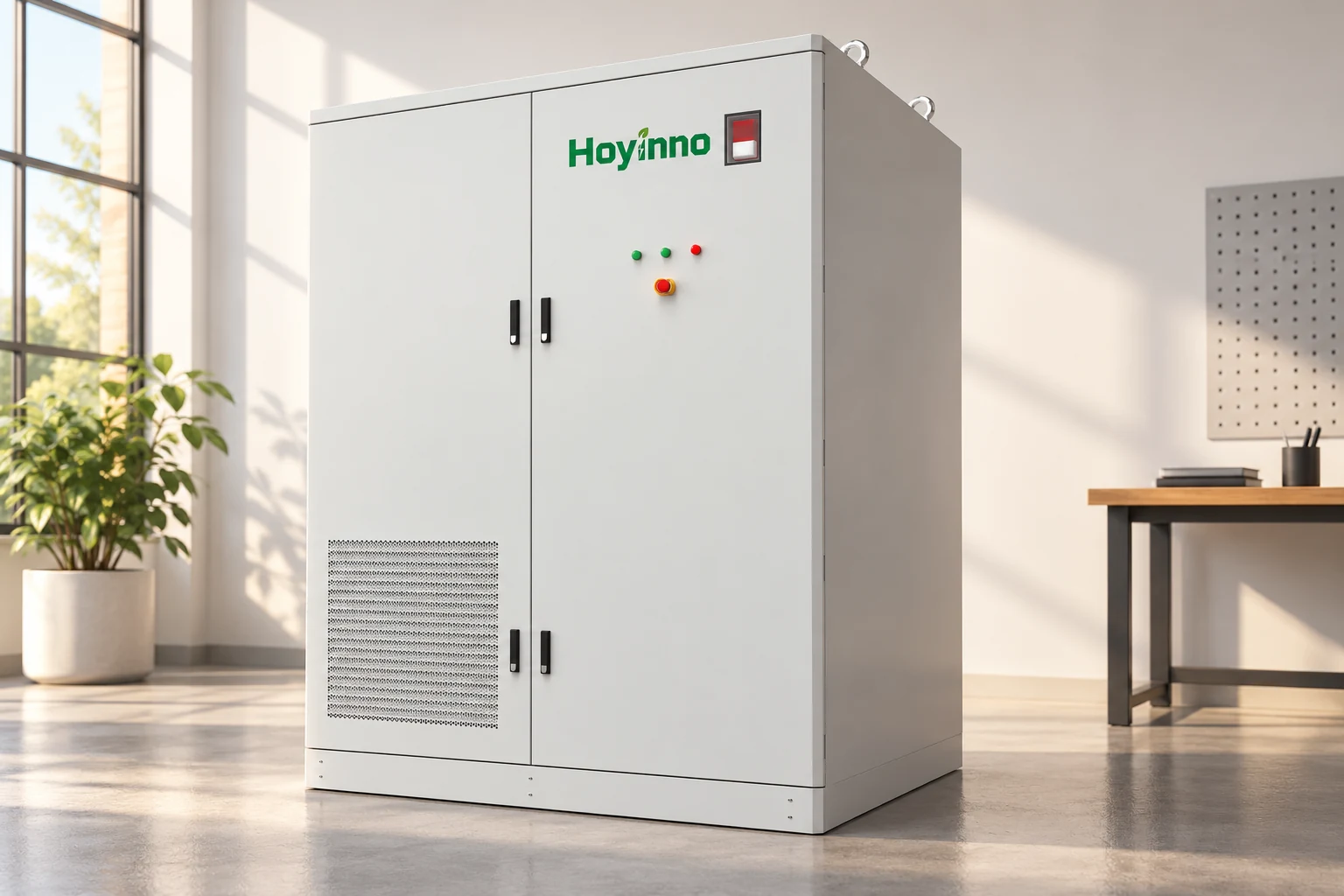
A power rating should also identify the conditions that apply to it. The relevant value may be continuous output, a limited-duration capability or a rating under defined environmental conditions. These descriptions should not be combined without clarification. The power conversion and control information helps locate the converter function, while an individual installation needs the actual equipment limits and approved operating settings.
Energy storage systems should therefore be described with both quantity and rate. A comparison based only on a cabinet's capacity label can conceal differences in output capability or the energy range permitted for service. The useful question is not simply how much energy is named, but which service the quantity and power rating can support under the stated conditions. This distinction remains important even when comparing two products that use the same storage medium.
Usable Energy Depends On A Defined Boundary
Usable energy is the quantity available for the intended service within the agreed operating limits. It should be distinguished from a nominal quantity attached to cells or an equipment package. The measurement boundary determines which conversion losses and supporting loads are included.
Follow Energy From Charging To The Point Of Use
A charging input may be measured at one interface while delivered output is measured at another. If those boundaries differ, the comparison needs to say so. Battery terminals, converter output and a site delivery point do not automatically represent the same quantity. Supporting equipment can consume energy while the installation is operating or waiting. A meaningful description records the relevant boundary and conditions so that usable energy is not presented as a context-free property of the enclosure.
The permitted operating range also matters. Controls may retain a reserve or restrict charging and discharging under certain conditions. That range should be distinguished from the medium's total physical capacity. A reserve can support a service requirement while reducing the energy available for routine shifting. The energy management system description provides context for supervisory control; the specific reserve and permissions must be established for the actual installation.
| Term | Question It Answers | Condition To State |
|---|---|---|
| Storage medium | In what physical form is energy retained? | Technology and intended output form |
| Power rating | At what rate can energy be transferred? | Operating conditions and duration of the rating |
| Nominal capacity | What quantity is used to describe the equipment? | Component basis and definition |
| Usable energy | What quantity can serve the intended purpose? | Allowed range, losses and delivery boundary |
| Duration | How long can a stated output be sustained? | Energy basis, power level and operating assumptions |
Applications Define Which Storage Characteristics Matter
Storage can shift energy availability, support a defined power service or maintain an agreed supply function. These purposes emphasize different characteristics. The application should be explained before a capacity number is treated as useful, because the relevant demand and recovery conditions determine what the stored energy must accomplish.
Connect The Service To Its Time Pattern
An energy-shifting application needs an opportunity to charge and a later period in which discharge is useful. A short power-support function may emphasize response and output limits instead. A supply-continuity function also needs an approved route to the relevant loads and a recovery plan. None of these purposes is described completely by the storage medium alone.

The off-grid application information provides one example of coordinating generation and storage. An off-grid context does not establish the appropriate arrangement for every connected site. Charging opportunities, load priorities and additional sources need to be considered together. Storage can move available energy through time, but it cannot compensate indefinitely for an energy input that remains below the required demand.
For energy storage systems, the application also defines what counts as success. A service may be evaluated at the equipment interface or at a load delivery point. The operating record should identify that point and the conditions during the relevant period.
Controls Decide When Stored Energy Can Be Used
The control system coordinates the installation with the service it is intended to provide. Monitoring, protection and dispatch have different roles. Monitoring reports conditions, protection can limit or stop operation, and dispatch requests an action within the permitted range.
Distinguish A Requested Output From An Allowed Output
A controller may request charging or discharging while a component restricts the permitted transfer. The actual output depends on both the request and the equipment's current limits. Temperature, state, communications or a protection decision may affect the result.
The physical and supervisory interfaces should be documented together. A converter can carry out an electrical function while a higher-level controller coordinates when that function is required. Communications support the coordination but do not replace the underlying electrical and protective design. The site's engineering service context describes project integration. The actual interface responsibilities and settings need confirmation for each installation.
Integration Makes A Collection Of Components A System
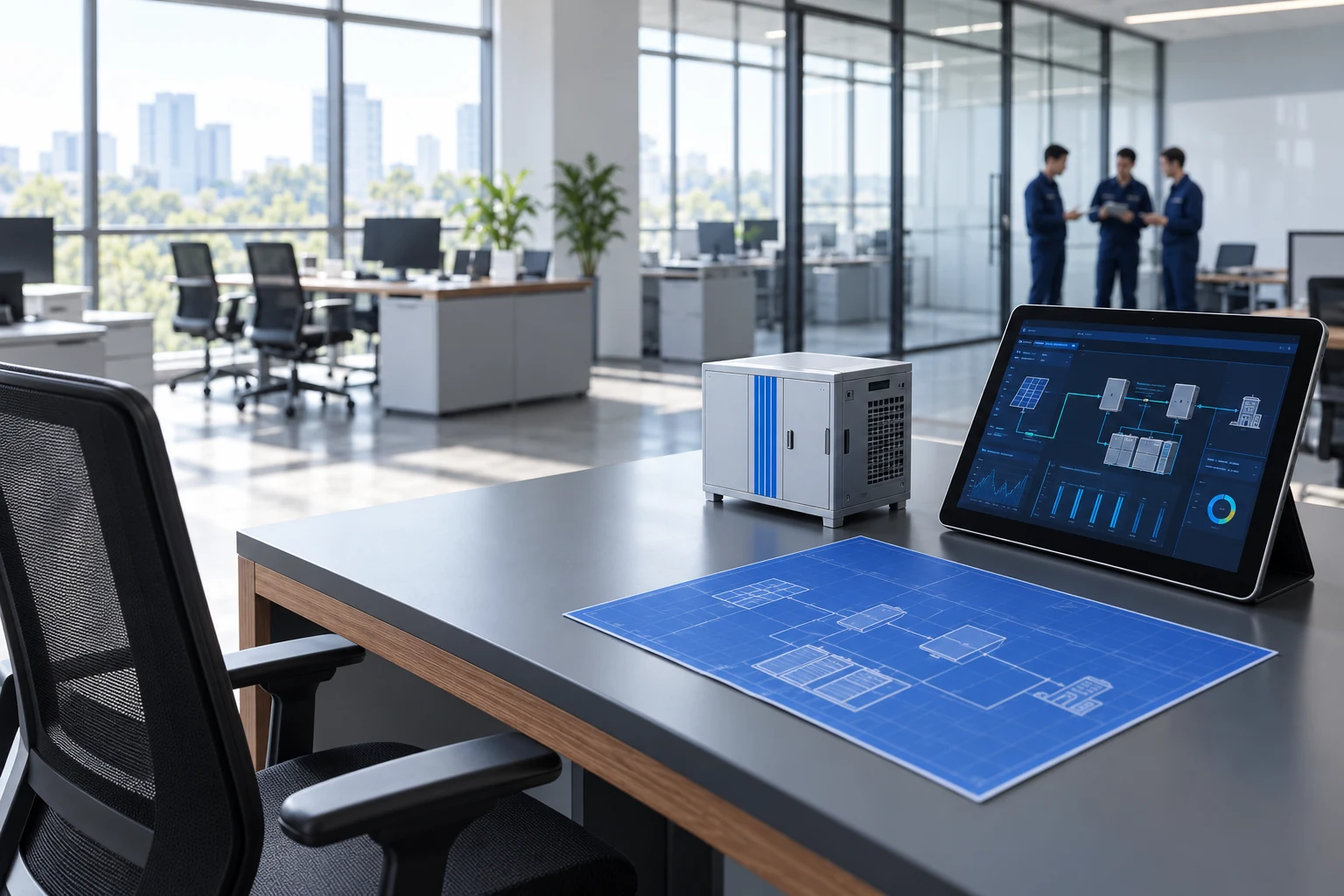
Components become a system when their electrical, control, environmental and service interfaces are compatible. A list of equipment is not enough to establish that compatibility. The installation needs a coherent description of how its parts receive energy, store it, release it and remain within operating limits.
Keep Component Limits Visible At System Level
A component's capability should be interpreted within the installation that uses it. Battery modules, conversion equipment, protective devices and supporting loads can each impose relevant conditions. A system description should preserve those limits instead of presenting the most favorable individual value as the whole installation's capability.
Interpret Storage As A Service With Operating Limits
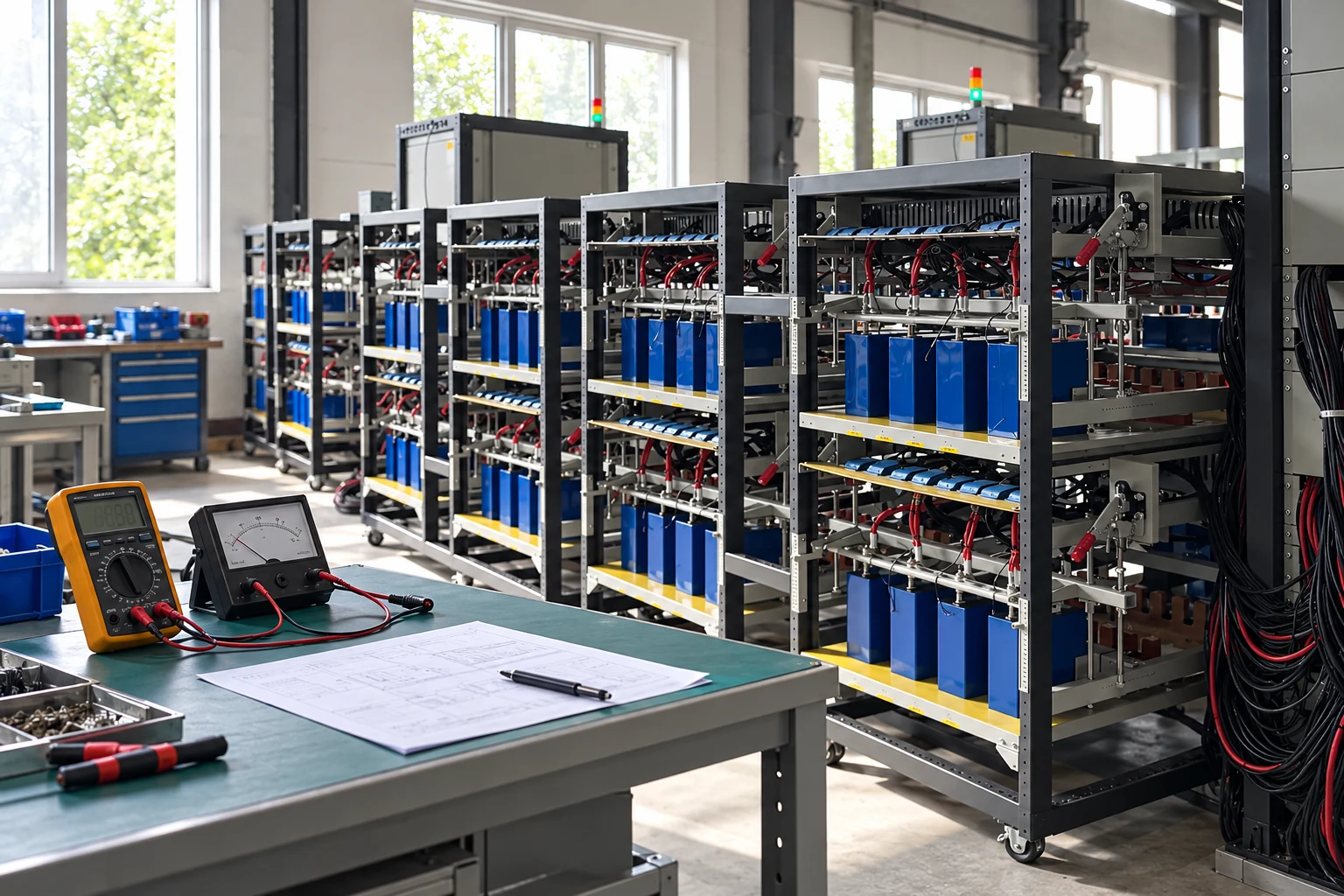
A useful understanding connects the storage medium, power transfer, usable energy and control permissions. Those connections explain what can be delivered and why a stated quantity may not always be available in the same way. The concept becomes clearer when the operating limits remain part of the description rather than appearing only as small-print qualifications.
Retain The Conditions When Describing Performance
An operating result should identify the system state, requested service and relevant boundary. Changes to equipment, control settings or the environment may change the conditions under which it was obtained. The operation and maintenance context is relevant because an installation needs those conditions managed after commissioning. A result measured at one time is informative, but it should not be generalized beyond the conditions and service it actually represents.
The broad term energy storage systems covers multiple physical technologies and many possible services. The common feature is controlled retention and later delivery of energy. For a battery example, that means reading the medium, converter, supporting equipment and controls together.
Frequently Asked Questions
Does Storage Produce New Energy?
No. It accepts energy and returns a useful form later. Conversion and supporting operations introduce losses, so the delivered quantity should be described at a defined boundary rather than assumed to equal the original input.
Why Are Power And Energy Both Needed?
Power describes a transfer rate, while energy describes a quantity. Together they help explain the service and its possible duration. The relationship still needs the applicable capacity basis and operating conditions.
Is Nominal Capacity The Same As Usable Energy?
Not necessarily. Usable energy depends on the allowed operating range, supporting loads, conversion and delivery boundary. A nominal figure should not be presented as guaranteed delivered service without those definitions.
Does A Battery Cabinet Automatically Provide Backup?
No. Backup requires a suitable connection and transfer arrangement, control permissions and a route to the intended loads. Stored energy alone does not establish that the installation can serve those loads during a supply interruption.
What Is The First Step In Understanding A Storage Installation?
Identify the intended service and follow energy from its input through the medium and conversion equipment to the delivery point. Then state the limits and controls that govern that route. This connects the equipment description to its actual operating purpose.
The useful starting point is a defined service, a clear energy path and explicit operating limits. Capacity becomes meaningful within that description, together with the power rating and usable energy that apply at the chosen boundary.
 What Sets The Operating Limits Of Power Storage Systems?
  Address: A401, Junxu Junchuang Park, 03A Qingyi Road, Nanhai District, Foshan City, Guangdong Province, China





