



 Home
Home
A Battery Storage System For Solar Starts With The Load Profile
A battery storage system for solar should be selected against the timing, power and duration of the load it must serve. Solar-array size alone cannot define the required battery. A useful selection brief identifies the operating objective, the demand timeline, available charging energy and the conditions under which stored electricity will be delivered.
Write The Service Objective Before Choosing A Cabinet
Start by stating what the storage must accomplish and when. Increasing use of daytime solar, reducing a short demand peak and maintaining selected loads during an outage create different requirements. One system may support several objectives, but the selection brief should explain their priority when they compete for the same stored energy.
Distinguish The Selected Loads From The Whole Site
List the equipment that must be served, its normal schedule and whether operation can be delayed or reduced. A critical-load group can be much smaller than total site demand, but the distinction needs an actual circuit and operating review. An equipment list alone may miss simultaneous use, auxiliary demand or brief operating peaks that are relevant to the power requirement.
Define the acceptable service boundary in plain terms: which loads remain available, for how long and under which initial conditions. Record whether the objective concerns ordinary grid-connected operation or a specific outage scenario. The engineering service description offers a starting point for discussing resource, technical and project assessments; it does not replace the site's measured demand data.
Preserve The Time Detail In The Demand Record
A load profile should retain enough time detail to show the event the battery is intended to address. Monthly energy totals hide the sequence of demand and generation. Record the measurement interval, missing periods and any unusual operating days. A typical weekday may be useful, but seasonal operation or an intermittent high-demand process can require additional representative periods.
Keep timestamps and measurement boundaries consistent when combining demand and solar data. If one dataset is shifted by an hour or measures a different part of the site, an apparent charging opportunity may be misleading. State which measurements are reliable and which are estimates so that the eventual selection can be revised as better data becomes available.
Evaluate Power And Deliverable Energy Separately
Power determines the rate at which the system can supply electricity; energy describes the amount available over a period. Both must match the intended service. A high energy rating does not automatically meet a short power peak, and a high power rating does not establish a long operating duration.
Check The Rate Needed By The Intended Load
Discharge power should be evaluated against the relevant demand and the equipment's operating conditions. Ask whether a published rating is continuous or time-limited, which temperature and voltage conditions apply, and whether auxiliary demand is included in the stated boundary. A peak rating should not be used as a continuous design value without its duration and conditions.
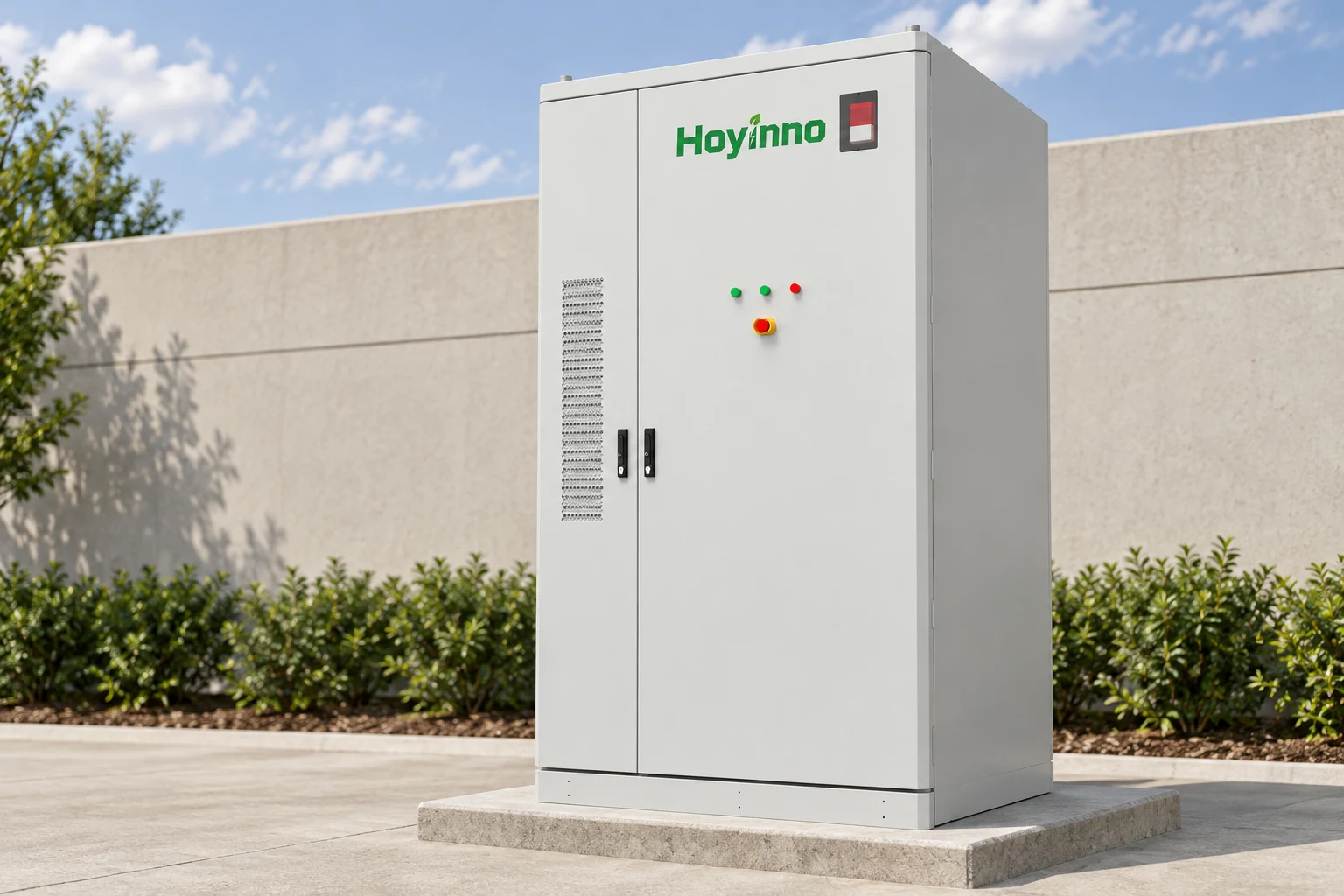
The site's 418 kWh cabinet page lists system capacity and rated power separately, including a 210 kW rating. These are published product specifications, not a promise of site-specific runtime. Selection should confirm the offered configuration and applicable operating limits rather than deriving performance from the enclosure photograph.
Define The Energy Available For The Selected Service
Usable energy is the portion available under the agreed operating window and delivery boundary. Reserve settings, permitted state-of-charge limits, conversion losses, auxiliary consumption and condition over time can affect what reaches the load. Ask the supplier to state the assumptions behind a delivered-energy estimate and whether it applies at the battery terminals or the site's AC load boundary.
A battery storage system for solar should therefore be compared using compatible definitions. Dividing a nominal capacity by an average load gives a simplified duration estimate, but does not demonstrate complete service. Check the starting charge, changing demand and relevant losses, and retain the assumptions beside the estimate instead of presenting the result as guaranteed autonomy.
| Selection input | Question it answers | Evidence needed | Common assumption to avoid |
|---|---|---|---|
| Demand timeline | When is the selected service required? | Representative measured load profile and operating schedule | Monthly energy captures the peak event |
| Required delivery rate | Can the equipment supply the relevant load? | Continuous and temporary limits with stated conditions | Nominal energy also defines power capability |
| Deliverable stored energy | How much energy is available for the chosen period? | Operating window, reserve and loss assumptions | All nameplate capacity reaches the load |
| Charging opportunity | Can the battery recover before the next required event? | Solar availability, site demand and permitted charging sources | Array rating guarantees a full daily recharge |
| Operating mode | What happens with or without the grid? | Documented architecture, controls and accepted transitions | Adding storage automatically supplies every outage load |
Check The Charging Window Against The Demand Timeline
Solar generation and demand should be compared on the same timeline. Electricity needed immediately by the site is not also available for charging. Storage can shift energy between periods, but the selection needs a realistic charging opportunity and a clear rule for allocating energy when supply is limited.
Identify When A Surplus Actually Exists
Review solar output alongside simultaneous site demand, then identify the amount and duration of any potential charging surplus. A large array may still have little surplus during busy daytime operation. Conversely, a quieter period may provide charging energy that can support a later event. The conclusion depends on the observed pattern and the allowed operating strategy.
The remote-area solution page describes multi-source power context. A proposed design should still identify which sources are available and permitted to charge the battery. If grid or generator charging is included, record that assumption separately from solar charging so that the expected renewable contribution is not overstated.
Assess Recovery Between Consecutive Events
Consider whether the system can recover before the next period of required discharge. A single successful day does not address a sequence with lower solar output, higher demand or repeated outages. Review representative unfavorable conditions and explain how the operating strategy responds, including load prioritization or other available sources where applicable.

Compare The Complete Integration Scope
Selection includes the equipment and controls that make storage usable at the site. Establish the architecture, conversion path, communications and relevant installation conditions before comparing cabinets as though they were interchangeable standalone units.
Confirm Which Functions Are Included In The Offer
Ask which conversion, protection, monitoring and control functions are included, which are external and who provides each interface. The power conversion and control category and modular storage category show that the system scope includes more than a capacity number. Verify the proposed configuration and the responsibilities at each connection boundary.
Document The Site Conditions Used In The Comparison
Record ambient conditions, available space, access, relevant electrical requirements and the installation constraints identified by the responsible engineering team. A rating obtained under one condition should not automatically be transferred to another. Request the applicable derating, cooling and operating information for the offered equipment, then retain it with the design assumptions.
The energy-management system description provides context for discussing dispatch and monitoring. A detailed comparison should specify which priorities, measurements and interfaces are required by this project. The image below illustrates planning work; it is not evidence of a completed design, approval or operating result.

Set The Operating Boundaries And Acceptance Evidence
The preferred system should come with a testable description of the service it will provide. Establish the boundary between grid-connected functions and backup behavior, then define the evidence needed to confirm performance under the agreed conditions.
Treat Backup As A Defined Operating Mode
Grid-connected solar shifting and outage supply are different operating conditions. Backup capability depends on the intended architecture, isolation, control and load arrangement; it should be confirmed by qualified project engineering. The presence of a battery does not establish that the existing solar array or every site circuit remains available during an outage.
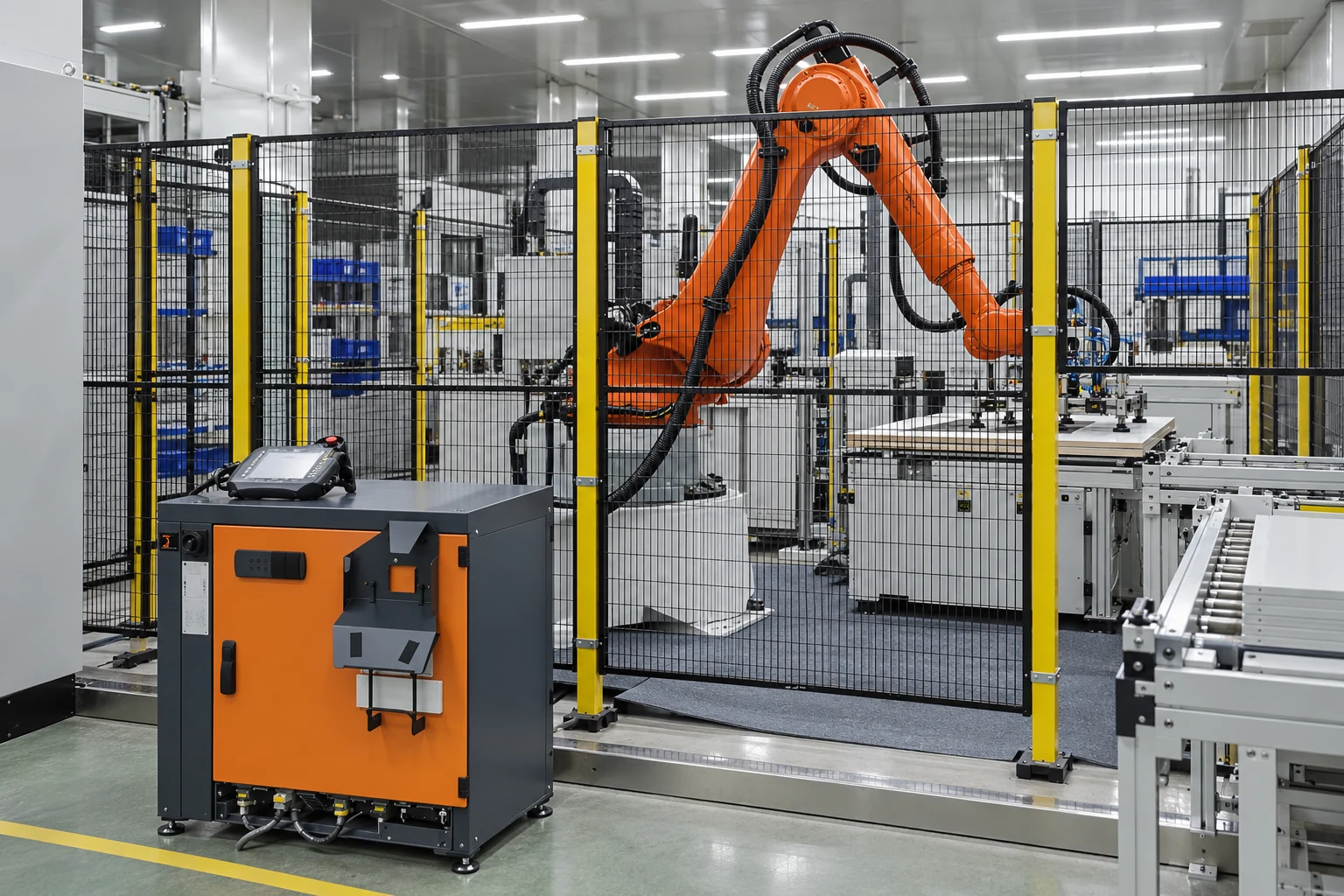
Define the initial charge, outage duration assumption and included loads in any backup estimate. Also confirm return to ordinary operation and reserve restoration. Manufacturing evidence and project acceptance remain separate: a factory scene does not demonstrate the intended site backup behavior.
Keep Acceptance And Later Changes Tied To The Brief
Acceptance should check the agreed functions, relevant data and performance boundary. Record the conditions of each observation, the measurements used and any open limitation. If discharge power or usable energy is assessed, state the starting condition and reporting boundary so that results can be compared with the agreed requirement.
The operation and maintenance service page describes inspection and monitoring context. Future evaluation should revisit the original assumptions when demand, solar capacity or operating priorities change. Added loads can alter both the power requirement and the available charging window; expanding capacity alone may not resolve the new constraint.
Selection of a battery storage system for solar becomes clearer when the service objective, data quality and equipment limits are kept in one record. The next useful step is to resolve the largest unverified assumption before comparing configurations, rather than treating a single capacity rating as a complete design.
Frequently Asked Questions
Can Solar-Array Capacity Determine The Battery Size?
It is one input. The intended load, its timing, the charging opportunity and the service objective determine what storage must deliver. Array size alone does not define the power or energy requirement.
Why Can Two Equal-Capacity Systems Serve Different Loads?
They may have different power limits, operating windows, conversion arrangements or applicable conditions. Compare the complete offered configuration and the delivery boundary, not only the nominal energy rating.
Does A Backup Reserve Reduce Normal Solar Shifting?
It can. Energy held for backup may be unavailable for routine dispatch. State the required reserve and operating priority so that the tradeoff is visible in the selection.
When Should The Selection Be Reviewed Again?
Review it when demand, generation, operating priorities or important site conditions change. Keep the original data and assumptions so that the effect of a proposed change can be assessed consistently.
The most useful comparison is the configuration that meets a clearly defined service under stated conditions. Reliable demand data and explicit operating limits make that decision more defensible than a larger nameplate number alone.
 A Solar And Battery Storage System Needs An Agreed Control Sequence
  Address: A401, Junxu Junchuang Park, 03A Qingyi Road, Nanhai District, Foshan City, Guangdong Province, China





