



 Home
Home
Why Does A Solar Battery System Change Its Power Path?
A solar battery system changes its power path as generation, demand, battery condition and grid availability change. The battery stores energy, but the complete arrangement determines when that energy can be charged, delivered, reserved or isolated from the utility. Understanding the operating states explains why two installations with similar battery capacities can behave differently. A useful system description follows the permitted electrical paths and control decisions rather than treating a storage cabinet as a promise of continuous supply.
Read The System As A Set Of Permitted Operating States
An operating state describes which sources are available, which loads can be served and which equipment has permission to exchange power. Normal grid-connected operation, restricted charging, islanded supply and a controlled restart are different states with different conditions.
A State Description Needs More Than A Mode Name
Labels such as backup, self-consumption or hybrid can conceal differences in equipment and configuration. Identify the source of the electrical reference, the active connection boundary and the loads included in the state. Then describe what the system may do and what causes it to change state. An operating label without these details cannot explain whether solar generation remains available during an outage or which demand is actually supported.
The host's energy management overview describes coordination of storage and energy resources. That is relevant context for control decisions, while the project-specific design establishes their actual implementation. The permitted states should be documented for the installed configuration, including any optional functions that have not been selected or commissioned.
Protective Limits Have Priority Over An Energy Objective
A controller may seek greater solar use or a lower utility peak, but it must remain inside equipment and protection limits. Battery operating conditions, converter capacity and connection requirements can prevent a requested exchange. Distinguish an economic preference from a protective restriction. If a system stops discharging at a configured reserve, the result may be an intended limit rather than a fault; the operating record should make that distinction understandable.
Follow Charging When Solar Generation Exceeds Active Demand
Solar surplus is a time-dependent condition. Generation must exceed the demand and other permitted uses at the relevant boundary before energy can be directed into storage. Installed panel capacity alone does not establish the amount available for charging.
The Available Charging Rate Has Several Independent Limits
The battery may be able to accept less power than the available generation because of its present condition or configured limits. The converter and connection arrangement impose their own limits. Metering and control must distinguish real surplus from a measurement error or a different electrical boundary. When comparing observed charging with expected charging, identify which of these limits was active before concluding that the battery is too small or the controller has failed.
Department of Energy material explains the role of power electronics in converting electricity between compatible forms. The exact charging route depends on the chosen architecture. A DC-side arrangement and an AC-coupled retrofit can use different conversion stages, but neither permits an arbitrary direct connection between solar modules and battery terminals. Electrical compatibility, regulation and protection remain part of the designed path.
The power conversion and control catalogue provides equipment-category context. It does not prove that any listed converter supports every battery voltage or operating state. A usable description identifies the selected combination and its documented interfaces, keeping the charging path separate from assumptions drawn from a category name.
Explain Discharge Without Confusing Power And Energy
Discharge delivers energy at an allowed rate. The amount stored and the maximum rate of delivery are different constraints, and both depend on their stated conditions. A large nominal capacity cannot by itself explain whether a particular load can be supplied.
A Load Can Reach A Power Limit Before An Energy Limit
A short demand increase can exceed the permitted output even when substantial energy remains in the battery. Conversely, a modest continuous load can eventually consume the usable energy allocation without reaching the converter's maximum power. Record the relevant load profile and operating limits rather than using one average value to represent every interval. Starting behaviour and simultaneous demand may matter differently from the energy consumed over a full day.
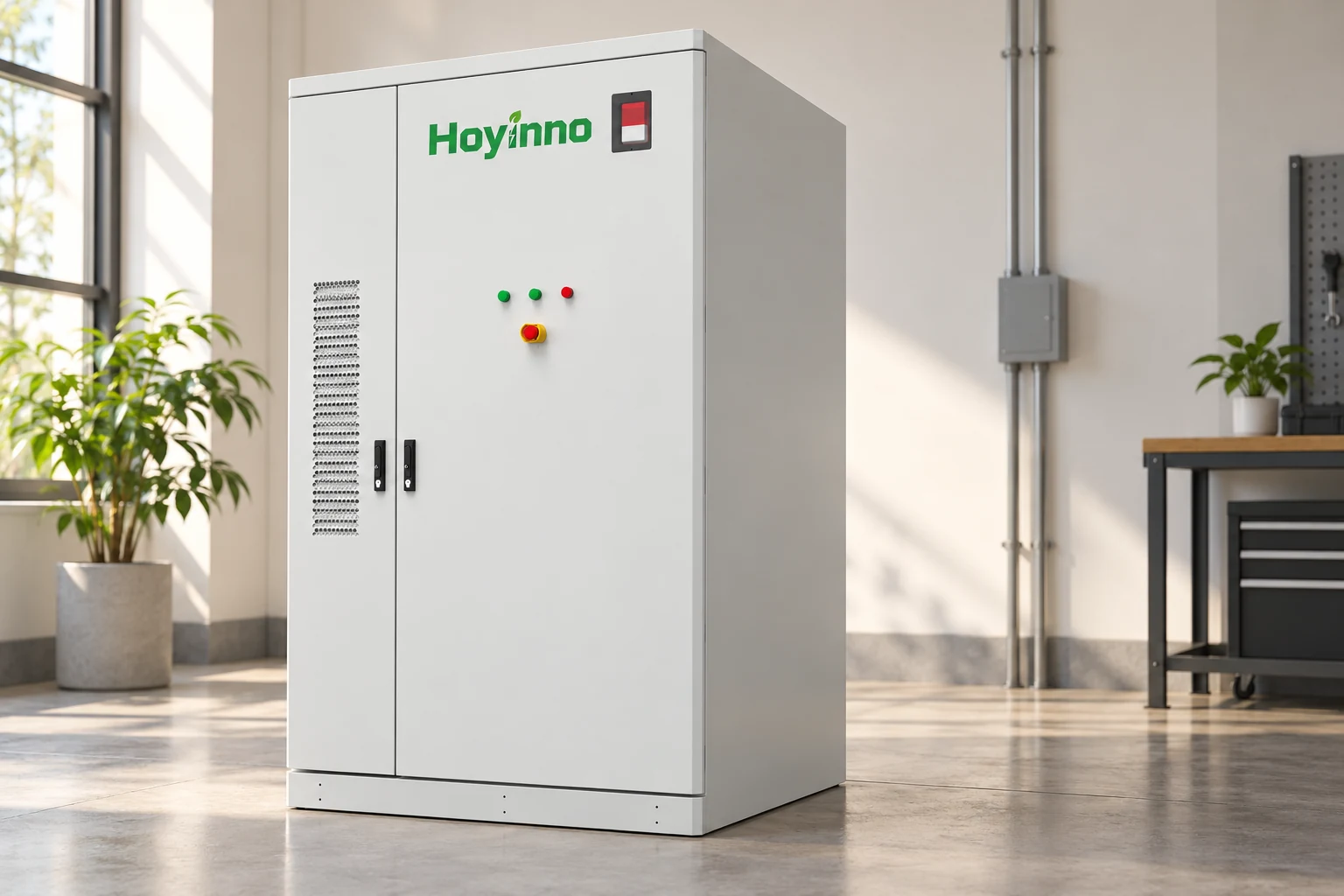
The host's 418 kWh liquid-cooled battery listing identifies one equipment family in the current catalogue. Its listed energy capacity should not be extended into a guarantee of delivered runtime. The selected system still needs a defined usable window, converter arrangement, auxiliary demand and load boundary. Product identification and a site-level service promise are different kinds of information.
For a solar battery system, reserve allocation changes how much energy is available for an ordinary discharge objective. If part of the usable window is retained for a possible outage, routine solar shifting may use less of the battery. A monitoring display should show the relevant settings and state so that this intended behaviour is not mistaken for missing energy.
Use A Daily Sequence To Understand State Changes
A daily sequence connects generation and demand with the permitted charging and discharge decisions. It is an explanatory example, not a production forecast. The actual sequence depends on measured site conditions and the configured priorities.
During an early interval, demand can exceed solar generation and the system may import electricity or discharge within its permitted range. Later, generation can rise above the active load and make charging possible. When the battery reaches its allowed upper condition, additional generation may be exported, used elsewhere or curtailed according to the connection arrangement. After generation declines, stored energy can again serve part of the demand if discharge remains permitted.

| Observed State | Condition To Identify | Meaningful Observation |
|---|---|---|
| Charging from surplus | Available solar generation and permitted charging path | Whether generation, battery or converter currently limits the rate |
| Serving ordinary demand | Allowed discharge window and load boundary | Power delivered and the reason for any remaining utility import |
| Holding a reserve | Configured reserve and its priority | Why stored energy is retained rather than discharged |
| Grid unavailable | Supported isolation and source-reference arrangement | Which loads remain supplied and which functions are unavailable |
| Returning to normal operation | Permitted reconnection and restart sequence | When and why the utility boundary is restored |
| Protective restriction | Active equipment limit or protection condition | Whether the restriction is expected or needs investigation |
Treat Grid Loss As A Separate Transition
A grid outage changes the electrical boundary. Stored energy does not automatically make a grid-connected installation suitable for isolated operation. The arrangement must support the relevant separation, control, protection and load-supply functions.
Isolation And A Suitable Electrical Reference Are Distinct Requirements
Separation prevents unintended exchange with the unavailable utility, while a suitable source establishes the voltage and frequency conditions required by the isolated loads. These functions need coordination. A battery connected through equipment intended only to follow a live grid reference may not establish an island by itself. The supported transition should be stated explicitly, including which solar and storage functions continue after isolation.
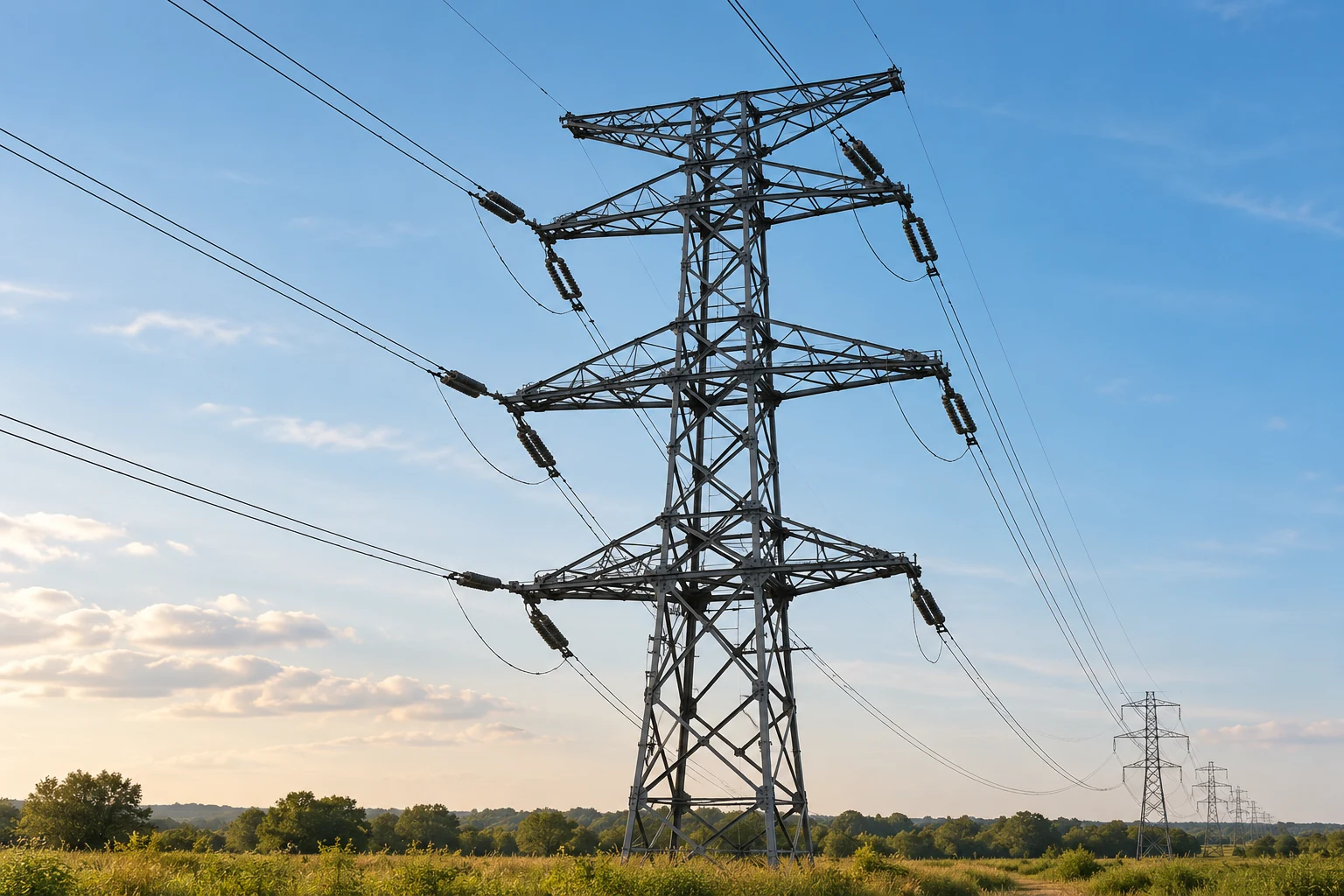
Government solar guidance emphasizes that backup is configuration-dependent and that not all battery systems provide it. This general principle does not establish the capability of a particular cabinet. The host's off-grid application information can help explain the category, but the installed design and acceptance observations determine the actual supported sequence.
Distinguish Recovery From Merely Having A Charged Battery
Recovery is the permitted sequence that returns equipment and loads to an operating state after an interruption. It can involve source availability, communication readiness, protection conditions and ordered restoration of demand. A charge indication is only one input.
Restart Resources And Reconnection Permissions Need Documentation
Some equipment requires a supporting supply or an established reference to begin operation. Other arrangements support a defined starting sequence under specified conditions. Do not infer black-start capability from the presence of battery energy. Identify the necessary starting resources and what happens if the battery is near its protective limit. A recovery description should also distinguish restarting an island from reconnecting that island to the utility.
Make Monitoring Explain The Active State
Useful monitoring reports the operating state and the reason for a decision as well as power and energy values. Without this context, a retained reserve, a protection limit and a communication problem can appear similar on a simple battery-percentage display.
Measurements Must Share Understood Signs And Boundaries
Define where PV generation, battery exchange, load demand and utility flow are measured. Their signs and time intervals should be understood before values are compared. A display can appear contradictory when one value represents an instantaneous exchange and another represents accumulated energy. Correct interpretation requires the relevant boundary and operating state, especially when a control function changes the permitted route during the observation interval.
The engineering service description provides context for integration and delivery responsibilities. A practical handover should connect the documented states with commissioning observations, active limits and the actual metering arrangement. The operations and maintenance scope can then support discussion of how settings, records and fault information remain understandable after delivery.
Frequently Asked Questions
Does Every Solar Battery Provide Backup?
No. Backup depends on the supported and installed isolation, conversion and control arrangement. Confirm the actual load group and operating sequence rather than relying on battery capacity.
Why Can The Site Import Electricity While The Battery Has Energy?
A reserve, an output limit or another operating restriction may retain energy or limit discharge. Identify the active state and configured priority before interpreting the import as a fault.
Can More Battery Capacity Remove Every Power Limit?
No. Energy capacity and delivery power are distinct. The converter, battery operating envelope and electrical connection can limit the supply rate independently of stored energy.
What Is The Difference Between Restart And Reconnection?
Restart establishes a supported operating state after shutdown. Reconnection restores a permitted utility boundary. The resources and conditions for these actions can differ.
Which Monitoring Information Is Most Useful?
The active state, relevant limits, reason for restriction and clearly defined measurement points. Power and energy values become meaningful when these conditions are known.
A solar battery system is best understood through its allowed states and transitions. Charging, discharge, reserve, isolation and recovery each depend on specific conditions. Keeping those conditions visible connects the component catalogue to an accurate explanation of what the installed electrical arrangement can actually do.
 How Does A Solar And Battery System Connect Across Its Electrical Boundary?
  Address: A401, Junxu Junchuang Park, 03A Qingyi Road, Nanhai District, Foshan City, Guangdong Province, China





